Many older homes across Lancashire were built long before modern electrical demands became the norm. While these properties often have plenty of character, their electrical systems may not always meet current safety standards or suit how households use electricity today. Because of this, homeowners often ask whether an electrical upgrade is needed and what signs to look out for.
An electrical upgrade does not always mean a full rewire. However, it does mean checking that the existing installation can safely support modern appliances, lighting, and technology. Understanding the condition of your electrics is the first step toward keeping your home safe and compliant.
What counts as an older home
In electrical terms, an older home is usually one built before the mid-1980s. Properties from this period often have wiring, fuse boards, and accessories that were suitable at the time but may no longer meet current regulations. Across Lancashire, this includes many terraced houses, semi-detached homes, and larger period properties.
Although some older homes have been updated over the years, others still rely on original wiring or outdated protection. This can increase the risk of faults, nuisance tripping, or overheating if the system is under strain.
Common electrical issues found in older homes
Older electrical systems often show similar patterns when inspected. One of the most common issues is an outdated consumer unit. Older fuse boxes may not include modern safety features such as RCD protection, which helps reduce the risk of electric shock and fire.
Wiring insulation is another concern. Over time, insulation can become brittle or degrade, especially in homes with rubber or early PVC cabling. In addition, older homes may not have enough sockets, which leads to the overuse of extension leads. This can place extra stress on the electrical system.
Lighting circuits can also show their age. Many older homes were wired for low power lighting and may struggle with modern fittings, dimmers, or additional circuits without upgrades.
When an electrical upgrade is recommended
An electrical upgrade is often recommended when safety features are missing or when the system no longer supports how the home is used. Signs that an upgrade may be needed include frequent tripping, flickering lights, warm sockets, or visible damage to accessories.
Renovation work is another key trigger. If you are extending, converting a room, or updating a kitchen, the existing electrics should be assessed to ensure they can safely support the changes. In many cases, upgrading part of the system improves safety and performance without the need for a full rewire.
Insurance requirements can also play a role. Some insurers expect older homes to have electrics that meet modern standards, especially when changes have been made to the property.
Is a full rewire always necessary
A full rewire is not always required. Many older homes only need targeted upgrades, such as a consumer unit replacement or new circuits for high demand appliances. The decision depends on the condition of the wiring and how it has been installed.
A professional inspection helps determine whether the existing wiring remains safe. If the cabling is in good condition and meets current standards, a partial upgrade may be enough. This approach often reduces disruption while still improving safety.
How electrical testing helps assess older properties
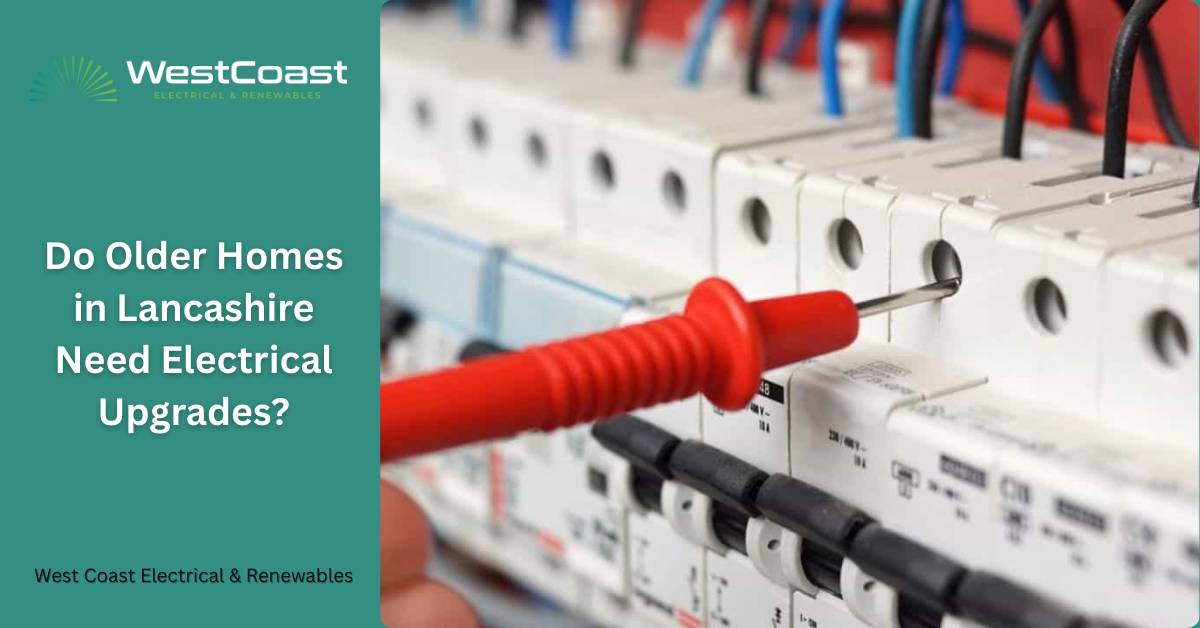
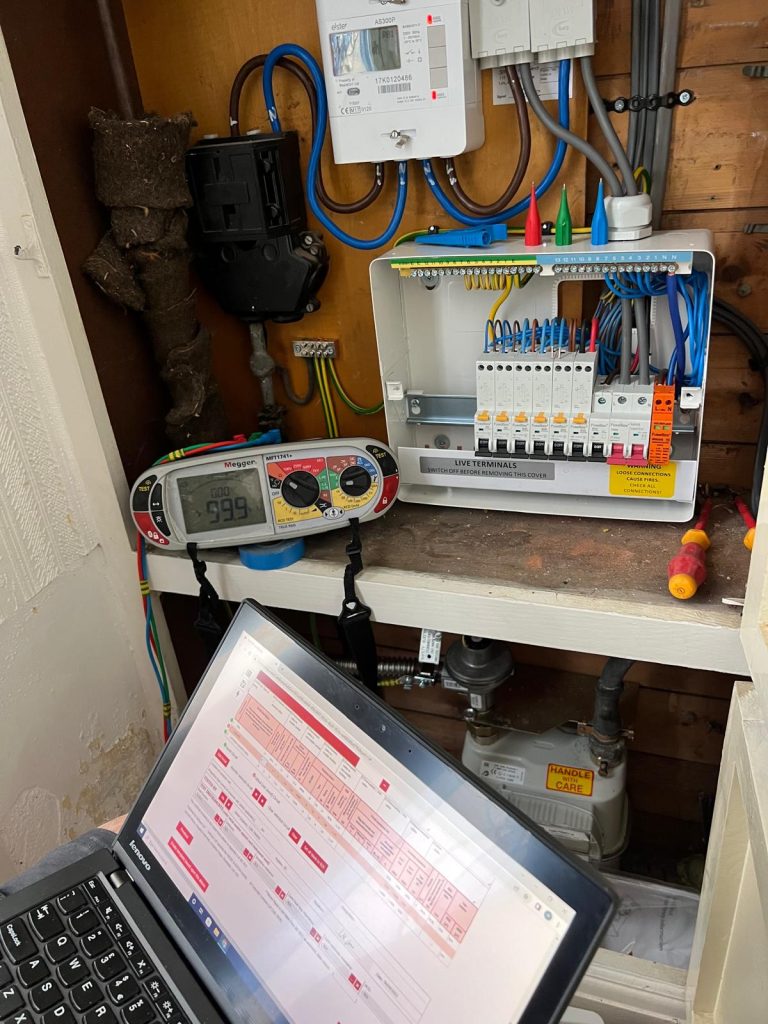
Electrical testing provides a clear picture of the condition of your installation. An Electrical Installation Condition Report checks wiring, circuits, and protective devices to identify any issues. This report highlights what needs attention and what remains safe to use.
For homeowners in Lancashire, testing is beneficial when buying an older property or planning improvement work. It allows informed decisions to be made before problems develop.
Electrical upgrades and modern living
Modern homes place far greater demands on electrical systems than they did decades ago. Appliances, electric showers, induction hobs, and electric vehicle charging all require reliable power and suitable protection. Older systems may struggle without upgrades.
Even simple improvements, such as adding extra sockets or improving circuit protection, can make a noticeable difference to everyday use. These upgrades also support future plans, such as renewable energy installations or smart home technology.
Electrical upgrades across Lancashire
Older homes across Blackpool, Preston, Poulton, Thornton Cleveleys, Lytham St Annes, and the wider Lancashire area all have different electrical needs. Each property should be assessed individually to ensure upgrades are appropriate and compliant.
At West Coast Electrical and Renewables, we carry out inspections and electrical upgrades with a focus on safety, practicality, and long-term reliability. If you are unsure whether your home needs an upgrade, professional advice helps you plan the next steps with confidence.