Many homeowners want to know if they can add more solar panels to an existing system. In most cases, the answer is yes. However, the system must be able to support the extra panels properly.
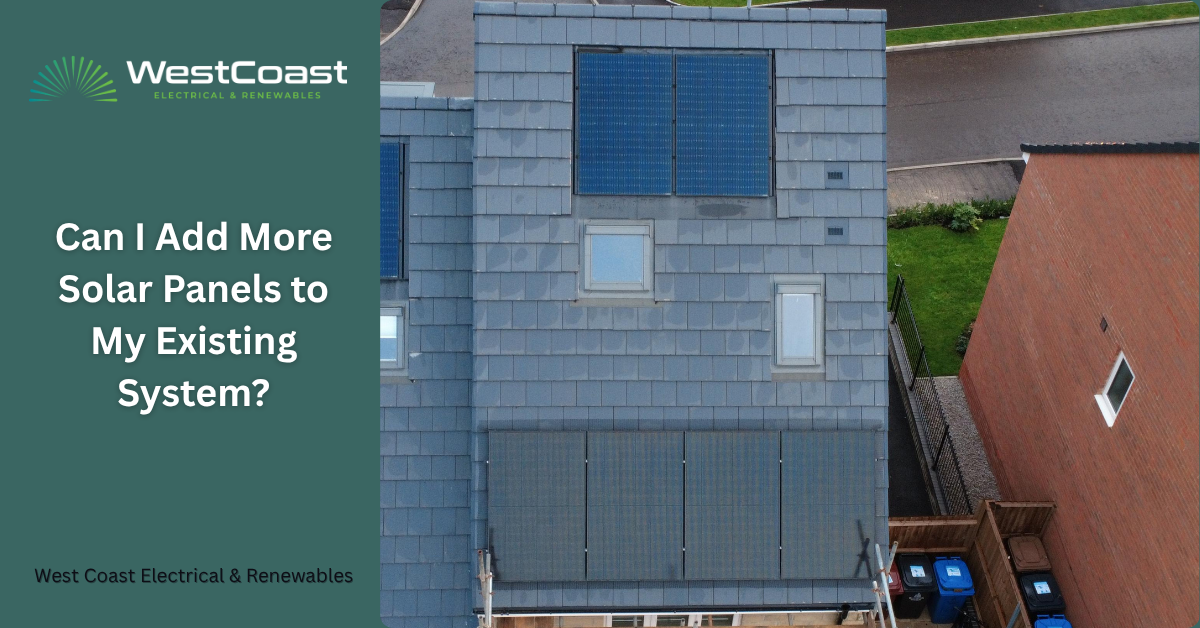
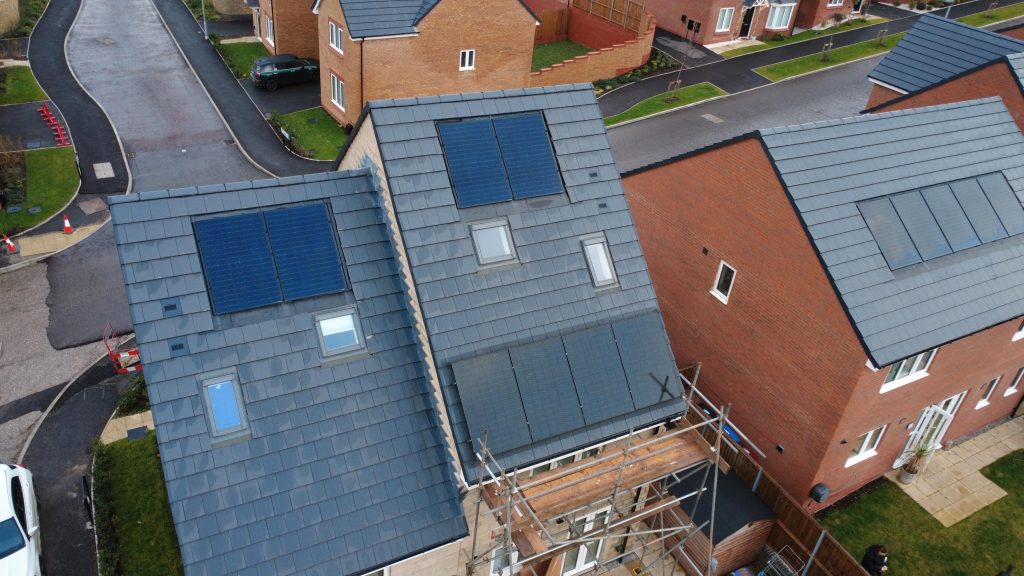
Many people now buy new build homes with solar already installed. While that sounds great, developers often only fit two or four panels to meet regulations. As a result, homeowners quickly realise the system does not generate enough electricity for their needs.
Therefore, many people decide to add more solar panels once they move in. This can help support higher electricity use, battery storage, EV charging, or future upgrades.
Why People Add More Solar Panels
Households often use more electricity over time. For example, you may start working from home, buy an electric car, install a hot tub, or add air conditioning. As your electricity use increases, your original solar system may no longer cover enough of your daily demand.
Adding more solar panels can help you:
• Generate more electricity
• Reduce the amount of power you buy from the grid
• Support battery charging
• Help with EV charging
• Make better use of roof space
• Improve the return from your solar system
New build homeowners often ask about this because many properties include a small solar system that does not match how the homeowner actually lives.
Can Every Solar System Handle More Panels?
Not every solar system can handle more panels. Before you add more solar panels, an installer should assess the whole system.
The inverter is one of the most important parts to check. The inverter converts the electricity from the solar panels into usable power for your home. Every inverter has a maximum capacity, so it can only handle a certain number of panels.
If the inverter already runs close to its limit, it may not support any extra panels. In that case, you may need a larger inverter or an additional inverter.
Some homes may need:
• A larger inverter
• An additional inverter
• A hybrid inverter for battery storage
• A redesigned system layout
• Upgraded cabling or electrical components
Therefore, a solar survey is important before making any changes.
Roof Space Also Matters
Even if the inverter can support more panels, you still need enough roof space.
Many homeowners still have unused roof space available, especially on new build homes. In some cases, the original installer may only have used part of the roof.
South facing roofs usually generate the most electricity. However, east and west facing roofs can still work very well. Some homeowners decide to split panels across different roof slopes to improve generation throughout the day.
The roof condition matters too. If the roof needs repairs, it often makes sense to complete that work before adding more solar panels.
Shading can also affect performance. Trees, chimneys, neighbouring buildings, and dormers can all reduce solar generation. Therefore, a proper survey can show whether extra panels will perform well.
Adding Battery Storage at the Same Time
Many homeowners choose to add battery storage when they add more solar panels.
A battery stores extra electricity that the panels generate during the day. You can then use that electricity later in the evening when the solar panels stop producing as much power.
Adding battery storage at the same time can often make more financial sense. If you already need a new inverter, you may decide to install a hybrid inverter and battery together.
At West Coast Electrical & Renewables, we often install batteries from brands such as AlphaESS and Tesla when homeowners upgrade their solar systems.
Why New Build Homes Often Need More Solar Panels
New build homes are one of the most common reasons people ask if they can add more solar panels.
Many developers fit a very small system to meet building regulations. However, homeowners often want much more once they move in.
For example, a new build property may only include four solar panels with no battery storage. Once the homeowner adds an EV charger or starts using more electricity, the original setup may not feel big enough.
Many of these homes still have plenty of roof space available. Therefore, adding more solar panels can make a big difference to how much electricity the system generates.

What Will an Installer Check?
Before you add more solar panels, a solar installer should assess the existing setup properly.
They will usually check:
• The inverter size and spare capacity
• The available roof space
• The roof direction and shading
• The age and condition of the current panels
• Whether the new panels will match the existing system
• The electrical supply and consumer unit
• Whether battery storage would also help
This allows the installer to recommend the best way to expand the system safely and efficiently.
Ready to Add More Solar Panels?
If your current system no longer generates enough electricity, you may be able to add more solar panels. However, the system must have enough inverter capacity, roof space, and electrical support first.
At West Coast Electrical & Renewables, we regularly help homeowners expand existing systems, especially on new build homes. We can assess your current setup and recommend the best way to improve performance for the future.