Many homeowners and businesses consider solar panels as a way to reduce reliance on the grid. However, before panels go on the roof, it’s important to ask a key question: Do I need an electrical upgrade before installing solar panels? While some properties are already suitable, others benefit from upgrades to ensure safety, performance, and compliance.
Understanding how your electrical system supports solar helps avoid delays and ensures the installation runs smoothly from start to finish.
Why Electrical Systems Matter for Solar Installations
Solar panels connect directly into your existing electrical system. Because of this, the condition of your wiring, fuse box, and protective devices plays a major role in how well the system operates.
Older electrical systems were never designed to accommodate generation equipment. As a result, some properties lack the protection or capacity needed to integrate solar safely. In contrast, modern systems handle renewable technology far more effectively.
Do I Need an Electrical Upgrade Before Installing Solar Panels at Home?
In many cases, homes already have suitable electrics. However, some situations indicate that an electrical upgrade may be necessary before installing solar panels.
Common signs include:
• An older fuse box with limited protection
• No spare capacity for additional circuits
• Signs of overheating or frequent tripping
• Wiring that has not been upgraded for decades
• Previous electrical alterations without certification
When these issues exist, upgrading electrics improves safety and ensures the solar system operates as intended.

Fuse Boxes and Consumer Units
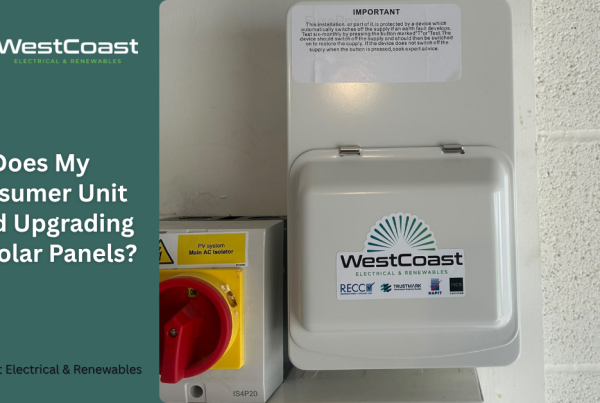
The fuse box, also known as the consumer unit, acts as the control centre for your electrical system. Solar installations usually require a dedicated connection with the correct protective devices.
Modern consumer units include RCD or RCBO protection, which isolates faults quickly and safely. If a fuse box lacks this protection, an upgrade often makes sense before solar panels are installed.
Although upgrades are not always required, checking this early helps prevent delays on installation day.
Electrical Capacity and Load Management
Solar panels generate electricity, but your system still needs to manage demand correctly. Homes with high electrical usage may require load management or circuit upgrades to ensure everything works together smoothly.
Load management balances energy use across the property. As a result, appliances, heating systems, and renewable equipment can operate safely without overloading circuits.
This approach supports long-term reliability, especially as households continue to add electric heating, EV chargers, or battery storage.
Earthing and Safety Requirements
Proper earthing is essential for any electrical system, including solar installations. Before installing panels, electricians check bonding and earthing arrangements to ensure they meet current regulations.
If issues are identified, addressing them early avoids complications later. This step also protects both the system and the property from electrical faults.
Electrical Upgrades and Battery Storage
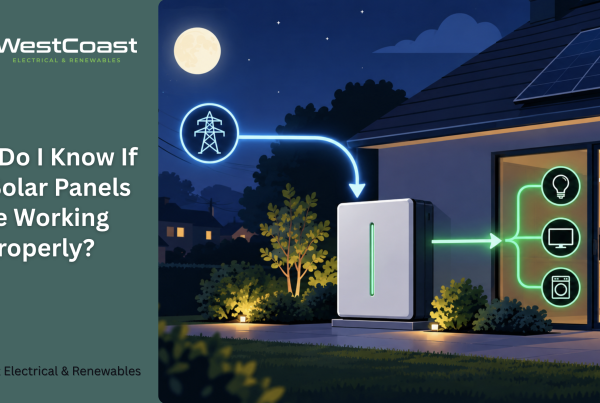
Many solar installations now include battery storage. Batteries allow properties to store excess energy and use it later. However, batteries add further electrical demand and require additional protection.
Ensuring your electrical system is suitable before installation helps avoid repeated work. It also creates flexibility for future upgrades, such as EV charging or heat pumps.
Domestic and Commercial Considerations
Electrical upgrade requirements apply to both domestic and commercial properties. While homes usually involve smaller systems, commercial installations often operate at higher capacities.
Commercial buildings may need additional assessments to confirm supply limits and distribution arrangements. Planning upgrades early helps avoid disruption and ensures compliance.
Why a Professional Assessment Matters
Every property is different. Although online advice can help, only a professional assessment confirms whether an electrical upgrade is required before installing solar panels.
An electrician will check:
• Consumer unit condition
• Wiring and connections
• Earthing and bonding
• Available capacity
• Compliance with regulations
By carrying out these checks early, solar installations progress smoothly and safely.
Why Choose West Coast Electrical & Renewables?
West Coast Electrical & Renewables installs solar PV systems across Blackpool, Poulton-le-Fylde, Thornton-Cleveleys, Lytham St Annes, Preston, and surrounding areas.
Our team handles both the electrical and renewable sides of every project. Because of this, upgrades and installations are planned together, ensuring compatibility and long-term performance.
We are MCS certified, NICEIC Domestic Installers, RECC members, and TrustMark registered. We also provide ongoing support, including WhatsApp remote troubleshooting when needed.

Preparing Your Electrical System for Solar
So, do you need an electrical upgrade before installing solar panels? In some cases, yes. In others, existing electrics already meet requirements. The key is checking properly before work begins.
By preparing your electrical system early, you protect your investment and ensure your solar system performs as expected for years to come.