Battery storage plays an important role in helping homeowners use more of the solar energy they generate. Instead of exporting excess electricity to the grid during the day, a battery allows that energy to be stored and used later when demand is higher. For many homes, this provides greater flexibility and improves how solar power supports everyday energy use.
Across Lancashire, more households are choosing to add battery storage alongside solar panels. This is often driven by rising energy costs, increased electricity usage in the evenings, and the desire to have more control over when energy is used. When installed correctly, battery storage works quietly in the background and supports your home without changing how you live.
What does a solar battery actually do
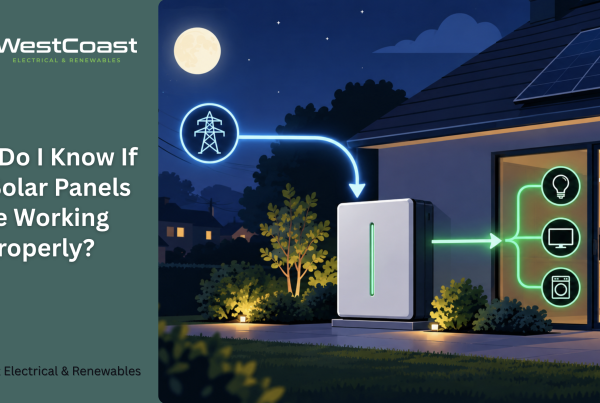
A solar battery stores surplus electricity generated by your solar panels during daylight hours. Instead of that energy being sent straight to the grid, it is stored and then released later when your home needs it. This is particularly useful during the evening, when solar generation has stopped, but household demand remains high.
Battery systems are managed automatically through an inverter and monitoring software. This means the battery charges and discharges without manual input. Homeowners can still view performance through an app, which shows how much energy is being generated, stored, used, or exported.
Why battery storage improves solar efficiency
Solar panels generate energy based on daylight, not usage patterns. As a result, homes often export energy during the day and import electricity again in the evening. Battery storage helps bridge that gap. By storing energy earlier in the day, your home can rely less on the grid later on.
This does not mean every unit of energy stays within the property. Instead, battery storage gives you more choice over how energy flows through your system. Some homeowners prefer to store energy for evening use, while others use a combination of battery storage and grid export depending on tariffs and usage habits.
Battery storage and electric vehicle charging
Electric vehicle charging is an area where battery storage needs careful planning. While it might seem logical to charge an EV from stored solar energy, this is not always the most cost effective option. In many cases, it makes better financial sense to charge an electric vehicle overnight using cheaper off peak grid tariffs.
At the same time, exporting solar energy during the day can generate higher returns through export payments. This means the energy you export may be worth more than the savings made by charging an EV from your battery. Because of this, many homeowners choose to use battery storage to support household energy use, while charging their vehicle from the grid at night.
Modern monitoring apps allow you to see exactly how energy is being generated, stored, exported, and used. This helps you decide how best to balance battery usage, EV charging, and grid interaction based on your tariff and lifestyle.
Thinking about adding battery storage to your system
We offer flexible renewable energy finance options that can apply to solar panels, battery storage, and electric vehicle charging installations. This allows you to spread the cost while still planning a system that suits your home. If you would like a personalised assessment, click the button below to arrange a survey with our team.
Choosing the right battery size for your home
Battery size depends on how much energy your household uses and when that energy is needed. A smaller battery may cover evening lighting and appliances, while a larger system can support higher loads and longer usage periods. For many three bedroom homes, around 10 kWh of battery storage provides a good balance, although this can vary.
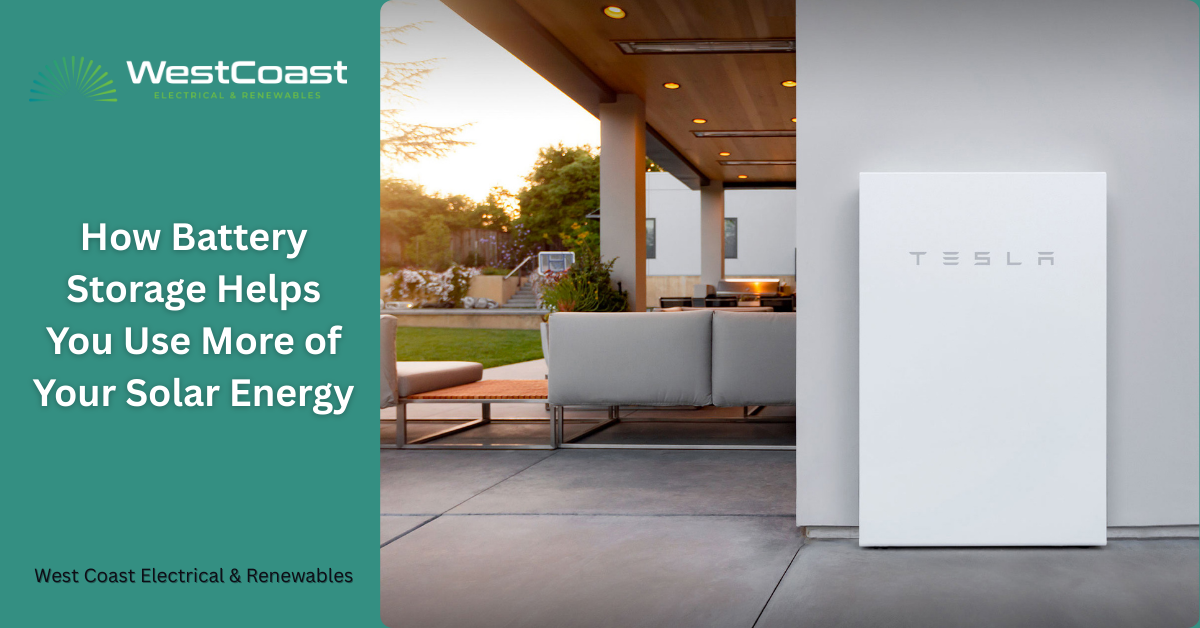
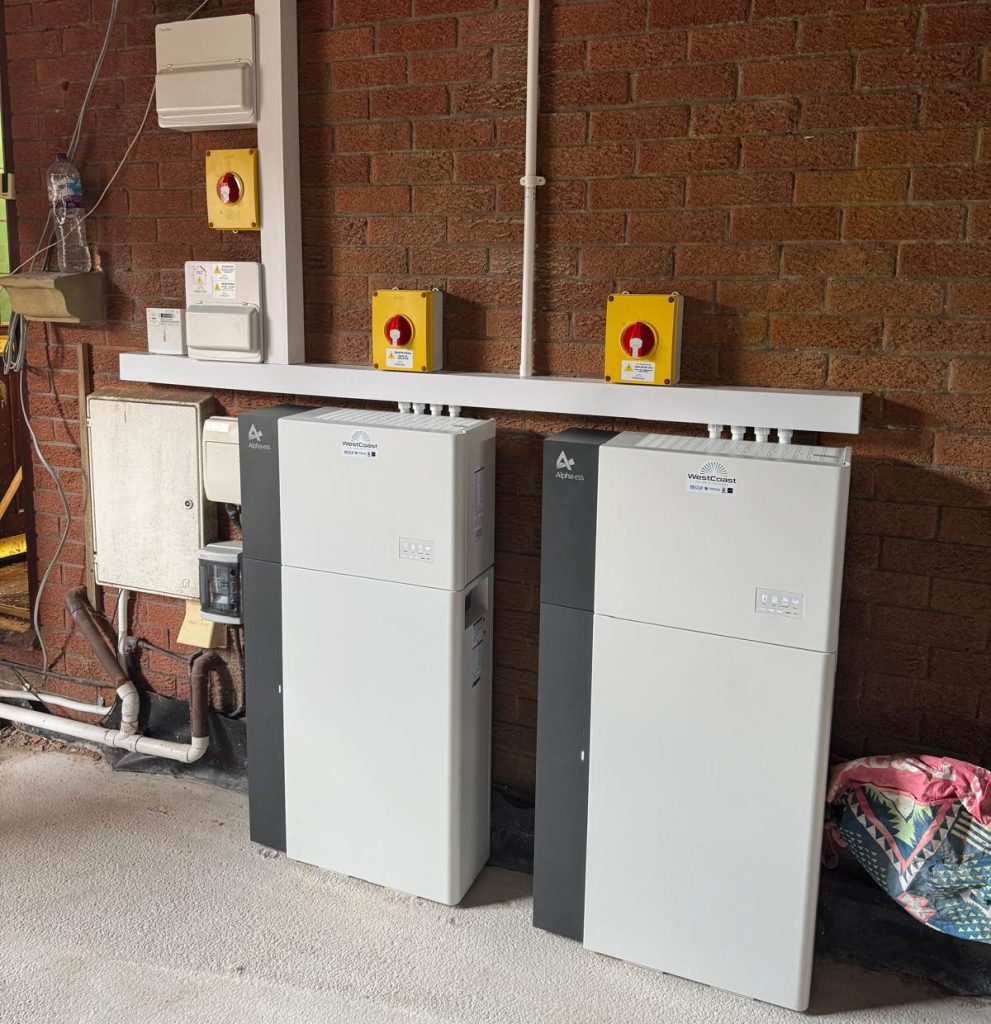
We install a range of battery systems including AlphaESS and Tesla. AlphaESS batteries offer modular expansion and flexible system design, while Tesla Powerwall remains a popular option for homeowners looking for an all in one solution. The right choice depends on your property, usage, and future plans.
How battery storage works with smart tariffs
Battery storage can also work alongside smart electricity tariffs. In some cases, batteries can be charged from the grid overnight when electricity prices are lower. This stored energy can then be used during peak times, which helps reduce reliance on higher daytime rates.
When combined with solar generation, this approach gives homeowners more control over how and when electricity is used. Instead of relying on a single energy source, your system can switch between solar, battery, and grid power based on cost and availability.
Battery storage for homes across Lancashire
Battery storage is suitable for many property types across Lancashire, from terraced homes to larger detached properties. Each installation starts with a detailed assessment that looks at usage patterns, roof layout, and existing electrical infrastructure. This ensures the system is designed to work efficiently and safely.
At West Coast Electrical and Renewables, we design battery storage systems that support solar generation without overcomplicating how your home uses energy. The aim is always to provide clarity, flexibility, and long-term reliability.
If you would like advice tailored to your property, our team is happy to help.
- Does My Consumer Unit Need Upgrading for Solar Panels?
- Can I Add Battery Storage to Solar Panels on a new-build home?
- Can I Charge a Home Battery on a Cheap Overnight Tariff?
- How Do I Know If My Solar Panels Are Working Properly?
- Should You Get the Electrics Checked Before Buying a House?