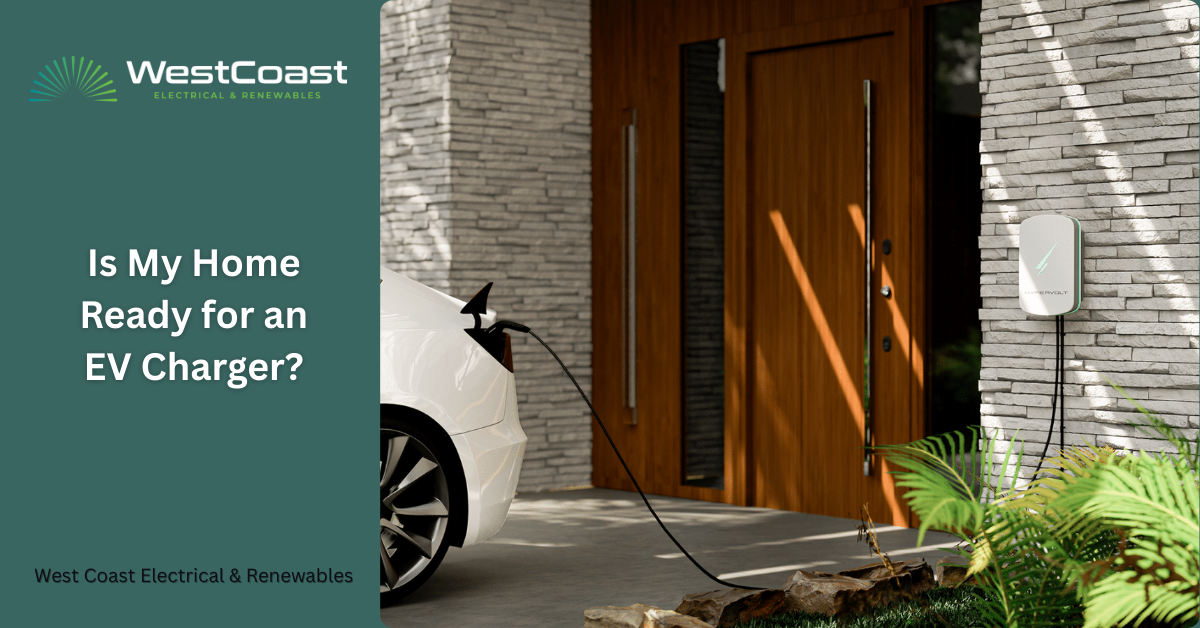
Electric vehicles are becoming more common across the UK, and as a result, many homeowners are now asking an important question: Is my home ready for an EV charger? While installing a charger is straightforward in many cases, not every property is the same. Therefore, it’s important to understand what’s involved before you move forward.
What matters most is understanding whether your home can safely support an EV charger, what checks are usually needed, and how to prepare your property for installation.
Why Home Readiness Matters for EV Charging
Charging your electric vehicle at home is one of the most convenient ways to own an EV. However, your electrical system needs to handle the additional demand safely. Without the right setup, charging could cause nuisance tripping or place unnecessary strain on your electrics.
Because of this, a proper assessment ensures your charger works efficiently while keeping your home safe. It also helps futureproof your property for further electrical or renewable upgrades.

Do You Have Off-Street Parking?
First of all, most home EV charger installations require off-street parking. This could be a driveway, garage, or designated parking space close to your property. The charger needs to be installed where the cable can comfortably reach your vehicle without crossing public footpaths.
If your parking space is further away, installation may still be possible. However, additional planning is usually required. In these situations, a site survey helps confirm the best approach.
Is Your Fuse Box Up to Date?
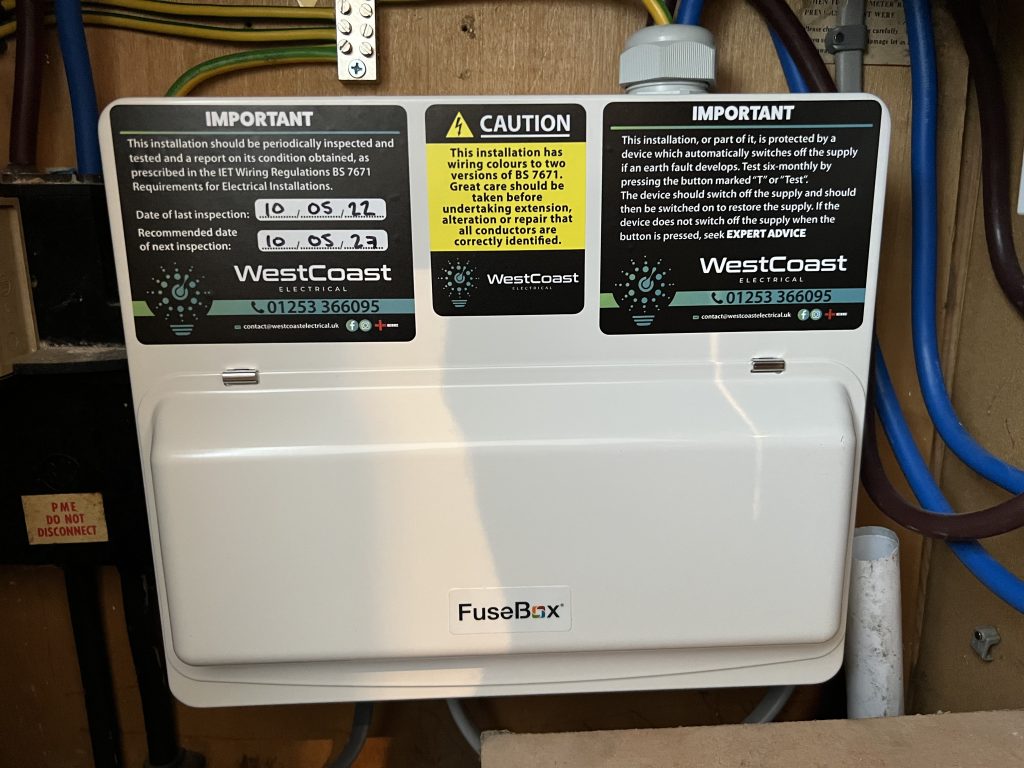
One of the most important factors is the condition of your consumer unit, also known as the fuse box. Modern EV chargers require additional protection to meet current safety standards. Therefore, older fuse boxes without RCD protection may need upgrading.
A modern consumer unit allows your charger to operate safely alongside the rest of your home. Furthermore, it ensures your system complies with the latest wiring regulations.
If your fuse box has not been upgraded in many years, it’s worth checking this early. Doing so avoids delays later in the process.
Can Your Electrical Supply Handle an EV Charger?
Every property has a maximum electrical capacity. While many homes can already support an EV charger, some may need load management or minor upgrades. This is especially common in older properties or homes with high electrical usage.
Load management systems help balance demand across your home. As a result, your charger adjusts its output when other appliances are running, preventing overloads while maintaining safe operation.
This approach allows EV charging without disrupting everyday electricity use.
Earthing and Safety Requirements
Safety is always a priority with EV charging. Modern chargers include built-in protection such as PEN fault detection, which removes the need for additional earthing rods in most cases. However, your existing earthing still needs to meet regulations.
During a survey, an electrician will check bonding, earthing, and cable routes. This ensures everything meets current standards before installation begins.
Is Your Home Suitable for Smart Charging?
Most EV chargers installed today are smart chargers. These allow you to schedule charging, monitor usage, and integrate with other technologies. Because of this, your home needs a stable internet connection near the install location.
Smart chargers also work well with time-of-use tariffs and renewable systems. As a result, they give you more control over when and how your vehicle charges.
Planning for Solar and Battery Storage
If you already have solar panels or plan to install them in the future, it’s worth considering this when preparing for an EV charger. While EVs cannot be charged directly from solar alone, solar generation can support overall household energy use.
Many smart chargers can prioritise surplus energy when available. In addition, battery storage can help store electricity generated during the day and use it later. This makes your home more flexible and future-ready.
Domestic and Commercial Properties
Home EV chargers are not just for houses. We also install chargers at small commercial premises, rental properties, and mixed-use buildings. However, each setup is different, so professional assessment is essential.
For landlords and businesses, installing EV charging can improve convenience and long-term usability of the property. At the same time, correct installation ensures compliance and safety for all users.
Why a Professional Survey Is Important
Although many homes are suitable for EV chargers, no two properties are identical. A professional survey allows us to:
• Confirm electrical capacity
• Assess fuse box condition
• Check cable routes and install location
• Identify any upgrades required
• Ensure compliance with current regulations
By carrying out these checks upfront, the installation process becomes far smoother. Additionally, it prevents unexpected issues on the day of install.

Why Choose West Coast Electrical & Renewables?
At West Coast Electrical & Renewables, we install EV chargers for domestic and commercial customers across Blackpool, Poulton-le-Fylde, Thornton-Cleveleys, Lytham St Annes, Preston, and surrounding areas.
Our team is fully qualified and accredited, holding:
• NICEIC Domestic Installer status
• TrustMark registration
• RECC membership
• Experience across EV, solar, battery, and electrical systems
Because we handle both electrical and renewable work, we ensure your EV charger integrates safely with your existing setup. We also offer ongoing support, including WhatsApp remote troubleshooting if needed.

So, Is Your Home Ready?
In many cases, the answer is yes. However, checking properly ensures safety, reliability, and compliance. Whether you already own an EV or are planning ahead, understanding your home’s readiness is the first step.
With the right preparation, installing an EV charger becomes a straightforward and stress-free process.