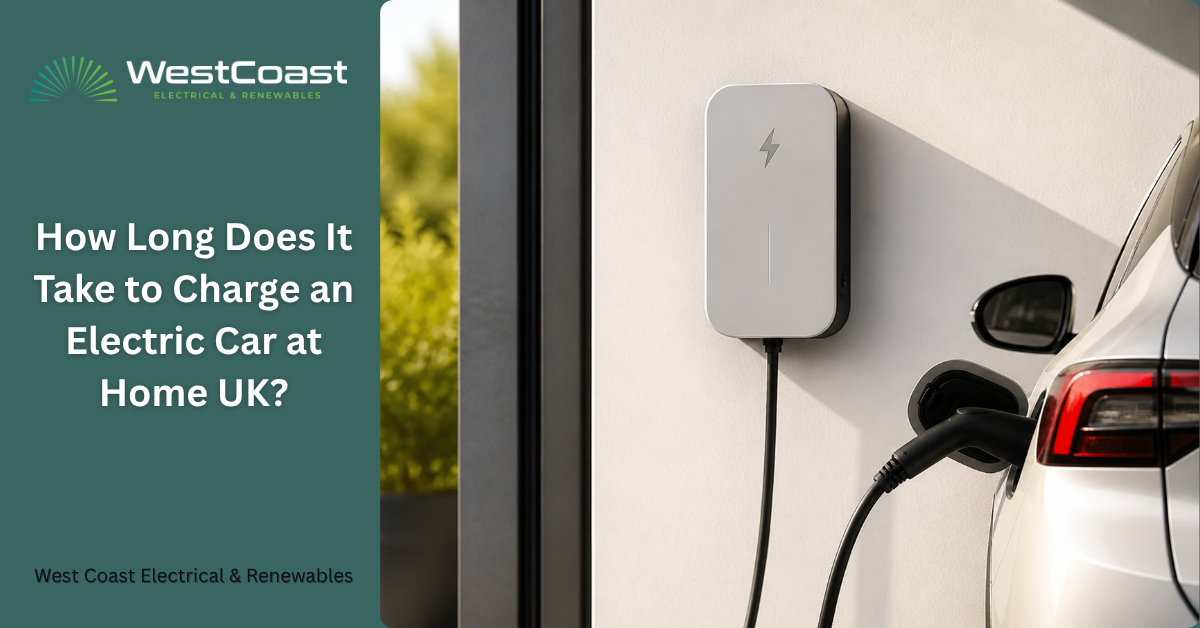
If you are considering switching to an electric vehicle, you may be wondering how long does it take to charge an electric car at home UK. Charging times can vary depending on your vehicle, your charger and your home setup.
As more drivers move towards electric vehicles, understanding charging times helps you plan your day-to-day usage. Fortunately, home charging offers a simple and reliable way to keep your vehicle ready.
What Affects EV Charging Time at Home?
Firstly, several factors affect how long it takes to charge your electric car.
These include:
- Battery size of your vehicle
- Charger power output
- Charging limits set by the vehicle
- State of charge when you start
For example, a larger battery will take longer to charge than a smaller one. In addition, most vehicles slow down charging as they approach full capacity to protect the battery.
Typical Charging Times with a Home EV Charger
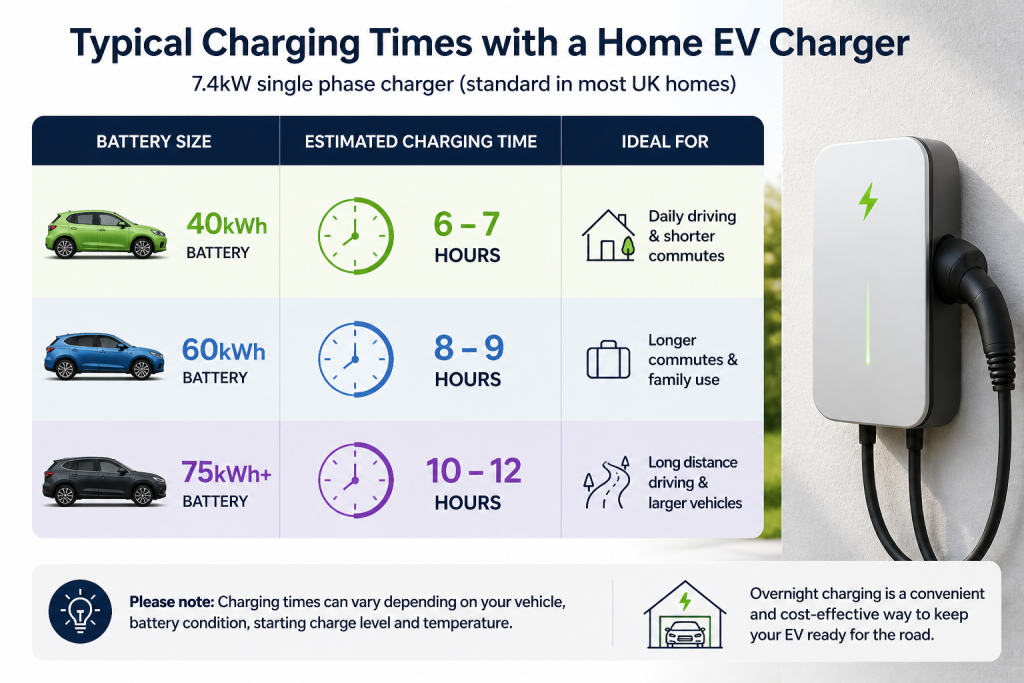
In most UK homes, EV chargers are installed at around 7.4kW on a single phase supply. This is the standard for domestic properties and provides a practical charging speed.
As a general guide:
- 40kWh battery: around 6 to 7 hours
- 60kWh battery: around 8 to 9 hours
- 75kWh battery: around 10 to 12 hours
However, these are estimated times. Actual charging speed will depend on your vehicle and how it manages charging.
Why Overnight Charging Is Common
In most cases, homeowners charge their vehicles overnight.
Firstly, your car is usually parked for longer periods, which allows enough time for a full charge. In addition, many energy suppliers offer cheaper off peak tariffs during the night.
As a result, charging overnight can reduce running costs while keeping your vehicle ready for the next day.
Does a Standard Plug Charge an EV?
While it is possible to charge an electric car using a standard three pin plug, it is not ideal for regular use.
Charging this way is much slower and can take over 24 hours depending on battery size. In addition, it is not designed for continuous high load charging.
For this reason, most homeowners choose a dedicated EV charger for better performance and safety.
Why Install a Home EV Charger?
Installing a dedicated EV charger improves charging speed, safety and overall convenience.
In addition, modern chargers include smart features such as:
- Scheduled charging based on your tariff
- Energy usage tracking
- App control for remote access
These features allow you to manage your charging more effectively.
Can Solar Panels Support EV Charging?
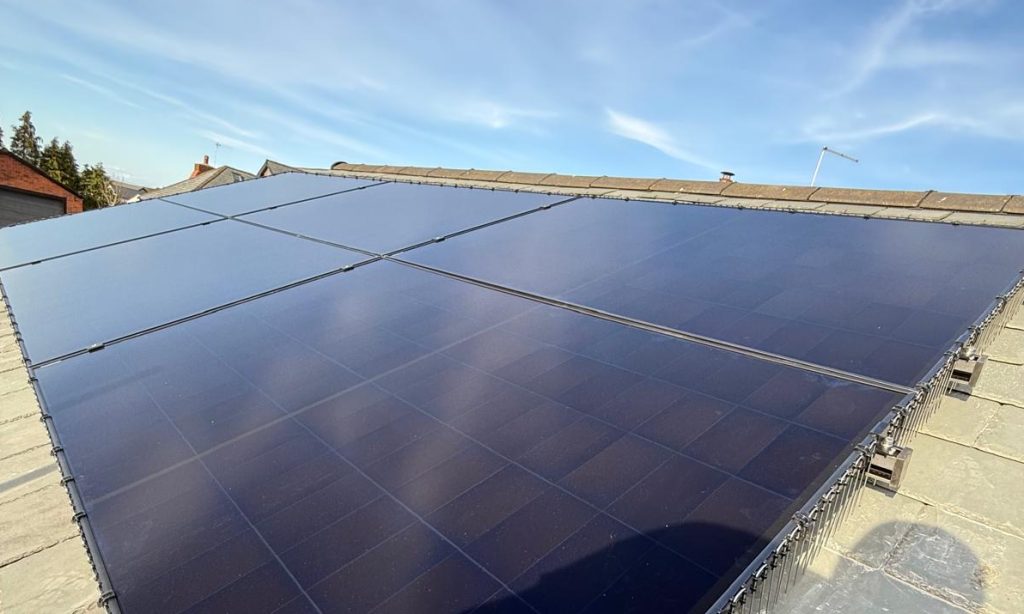
In addition, solar panels can support your overall household energy usage, including EV charging.
However, it is important to be realistic. You are not directly charging your vehicle purely from solar. Instead, solar energy can reduce how much electricity you need from the grid.
This can be particularly useful during the day, depending on your setup and usage.
Does Charging Speed Change During Use?
Yes, charging speed does not always stay constant.
For example, most vehicles charge faster when the battery is lower. As the battery fills, the charging speed reduces to protect battery health.
Therefore, the final part of charging often takes longer than the first.
Is Home Charging Fast Enough?
For most drivers, home charging is more than sufficient.
Although public rapid chargers are faster, they are typically used for longer journeys. In contrast, home charging fits into your daily routine.
As a result, you can charge your vehicle overnight and start each day with a full battery.
Thinking About Installing an EV Charger?
If you are asking how long does it take to charge an electric car at home UK, the answer depends on your vehicle and setup. However, most homeowners find that overnight charging meets their needs.
At West Coast Electrical & Renewables, we install EV chargers designed around your home and usage. Whether you are installing your first charger or upgrading your setup, we can help you choose the right solution.