Yes, you can charge a home battery overnight if you have a compatible battery system and electricity tariff. In fact, home battery storage is no longer just about storing electricity generated by solar panels. Many households now use their battery alongside a time-of-use tariff to take advantage of cheaper electricity at certain times of the day.
The basic idea is simple. Your battery charges when electricity is cheaper, often overnight. Then, when electricity becomes more expensive, your home can use energy stored in the battery instead of drawing as much electricity from the grid.
However, there is more to consider than simply charging a battery every night. Your tariff, battery capacity, household consumption, solar generation and system settings can all affect the best strategy.
What does charging a home battery overnight actually mean?
Some electricity tariffs offer different prices depending on the time of day.
For example, an electricity supplier may offer a cheaper rate for a set period overnight. The standard daytime rate may then be considerably higher.
A compatible home battery can be programmed to charge during that cheaper period. Once the lower rate window ends, the battery holds that stored electricity ready for your home to use.
Think of it like shifting when you buy electricity.
Instead of purchasing all your electricity from the grid at the time you need it, you can purchase some during a cheaper period and store it for later.
GOOD TO KNOW
Cheap rate periods, electricity prices and tariff conditions vary between suppliers. They can also change. Therefore, always check the current tariff terms before calculating potential savings.
Charge home battery overnight: what happens the next morning?
Here is an example of how a household might use battery storage across a typical day.
| Time | What could be happening? |
|---|---|
| Overnight | Battery charges during the lower rate electricity period |
| Early morning | Stored battery energy helps supply household demand |
| Daytime | Solar PV can supply the home when generation is available |
| Afternoon | Surplus solar generation may charge the battery or export to the grid |
| Evening | Stored energy can help cover higher household demand |
| Late evening | The system prepares for the next scheduled charging period |
This is only an example. A properly configured system can work differently depending on the property, tariff, weather, battery settings and amount of solar generation available.
Do I need solar panels to use cheap overnight battery charging?
No.
A home battery can operate without solar panels. This is sometimes known as a standalone battery storage system.
The battery can charge from the grid during a cheaper electricity period and discharge when required later.
However, adding solar PV creates another source of electricity for the property. During daylight hours, solar panels generate electricity which can supply household demand. Depending on the system setup and available generation, surplus electricity can then charge the battery or export to the grid.
Therefore, solar and battery storage can complement each other, but you do not necessarily need both.
A battery only setup
You charge the battery from the grid during lower cost periods and use the stored electricity later.
Solar with battery storage
Your battery can store electricity from the solar PV system. Depending on your tariff and settings, it may also charge from the grid at selected times.
Solar without battery storage
Your home uses available solar generation as it is produced. Surplus generation can potentially export to the grid if you have a suitable export arrangement.
There is no single setup that suits every home.
Why battery settings matter
Modern battery storage is much more flexible than simply charging when the sun shines.
Many systems include an app or online monitoring platform. This allows homeowners to see how electricity moves around the property.
For example, you may be able to see:
Grid → Home
Solar → Home
Solar → Battery
Grid → Battery
Battery → Home
Solar → Grid
This information can help you understand when your home uses the most electricity and how effectively your battery is operating.
Some systems also allow scheduled charging. Therefore, you can set the battery to charge during a particular tariff window rather than leaving it to charge from the grid throughout the day.
At West Coast Electrical & Renewables, we install battery systems from established manufacturers including AlphaESS and Tesla. The exact controls and available settings depend on the system installed.
Should I fill my battery to 100% every night?
Not necessarily.
Imagine your home has solar PV and the forecast shows a bright day ahead.
If you completely fill the battery from the grid overnight, there may be less available battery capacity for surplus solar generation the following day.
Alternatively, imagine it is December and the forecast is poor. Your expected solar generation may be much lower. In that situation, charging more of the battery during a cheaper overnight period could make sense.
This is where battery storage becomes particularly interesting.
Rather than thinking only about how large the battery is, you should consider how you intend to use it.
Your electricity consumption, solar array, tariff and daily routine all play a part.

What about exporting solar electricity instead?
This is another important part of the calculation.
Eligible solar PV owners may receive payments for electricity exported to the grid through arrangements such as the Smart Export Guarantee or other supplier export tariffs.
As a result, automatically storing every spare unit of solar electricity is not necessarily the best financial option for every household.
For example, there may be situations where a household can buy electricity relatively cheaply during an off peak period while receiving a higher rate for eligible exported solar electricity at another time.
However, tariff structures vary significantly. Import and export rates can also change.
Therefore, we would never suggest that one charging strategy will always save a specific amount of money.
The aim should be to understand the available tariffs and configure the energy system around the household.
A different way to think about battery storage
Traditionally, homeowners often viewed a battery as somewhere to put spare solar electricity.
That is still an important function. However, modern battery storage can do much more.
Consider these three questions:
When do you use electricity?
A household that uses a lot of electricity in the evening may have different requirements from someone who works from home throughout the day.
When is electricity cheapest for you?
If your tariff provides a lower overnight rate, scheduled battery charging may allow you to shift some grid consumption into that period.
What happens to your solar generation?
If you already have solar panels, it is worth understanding how much electricity you use directly, store and export.
Once you have those answers, battery storage becomes less about simply buying the largest battery available and more about designing a system around your actual energy habits.
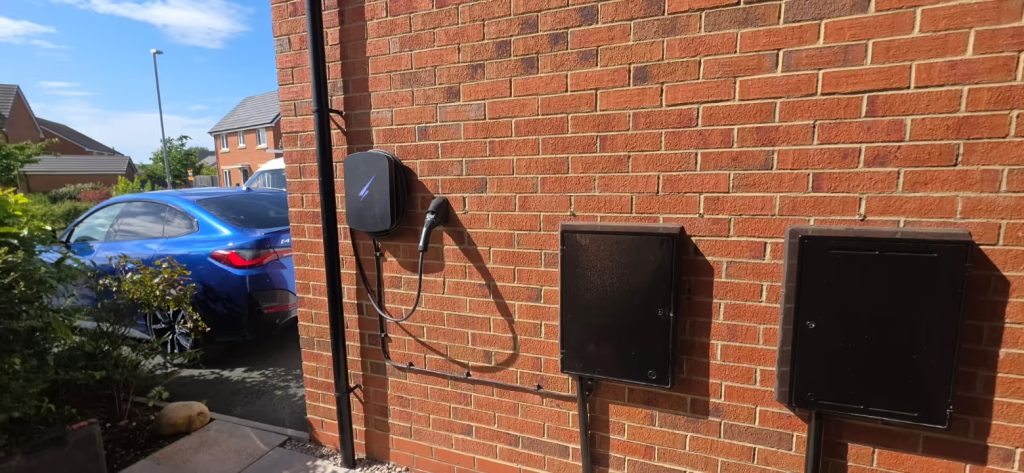
Could an EV fit into the same energy setup?
Yes, although it is important to think about the different demands separately.
An electric vehicle can require a significant amount of energy. Therefore, emptying your home battery into your car may not always be the most economical approach.
For households with an appropriate EV tariff, charging the vehicle directly from the grid during a cheaper overnight period can sometimes make more sense. Meanwhile, the home battery can follow its own charging strategy.
Solar PV is also a useful addition to the wider home energy system because it generates electricity for the property during daylight hours.
Ultimately, the best arrangement depends on your tariff, vehicle use, battery system and household consumption.
Is overnight battery charging worth considering?
For many households, it is certainly worth investigating.
However, battery storage should be designed around real electricity usage rather than assumed savings.
Before choosing a system, we recommend looking at:
- Your annual electricity consumption
- When you use the most electricity
- Your current import tariff
- Any available off peak charging periods
- Your export tariff if you have solar
- Existing or planned solar PV
- Battery capacity and usable storage
- Your plans for an EV or other high demand electrical equipment
These details help build a much clearer picture of how a battery could work within your property.
Home battery storage from West Coast Electrical & Renewables
West Coast Electrical & Renewables designs and installs battery storage systems across Blackpool, Poulton le Fylde, Thornton Cleveleys, Lytham St Annes, Preston and surrounding areas.
We can install battery storage alongside a new solar PV system or discuss options for homes that already have solar. Standalone battery storage may also be an option for customers who want to use time of use electricity tariffs without installing solar panels.
Rather than looking at battery capacity alone, we consider how the complete system will operate. That includes your household electricity demand, existing electrical installation, tariff preferences, solar generation and future plans.
Battery storage is becoming an increasingly flexible part of home energy management. With the right system and settings, you can decide not only where your electricity comes from, but when you buy, store and use it.
SEO DETAILS
Focus keyphrase: charge home battery overnight
SEO title: Can I Charge a Home Battery Overnight on a Cheap Tariff?
Slug: charge-home-battery-overnight-cheap-tariff
Meta description: Can you charge a home battery overnight on a cheap electricity tariff? Learn how off peak charging, solar PV and battery storage can work together.
Suggested category: Battery Storage
Suggested internal links: Battery Storage in Blackpool, Can I Have Battery Storage Without Solar Panels?, How Solar Battery Storage Works, Smart Export Guarantee
I’ve deliberately made this one less like the recent blogs. The timeline table near the top gives you something visual to build around in WordPress, while the Grid → Battery style section could work really nicely as six small boxes or icons rather than plain text. It should make the page feel more designed and less like one long article.