If you have moved into a new-build property with solar panels already installed, you may be wondering whether you can add a battery. Battery storage for new-build solar is becoming an increasingly popular option for homeowners who want to make greater use of the electricity their existing solar PV system generates.
At West Coast Electrical & Renewables, we carry out battery only installations on new build properties where solar PV is already in place. In some homes, the existing solar array provides a suitable starting point for adding battery storage. However, other properties may also have unused roof space that could potentially accommodate additional solar panels.
There is no single solution that suits every new build. Therefore, we look at the existing solar installation, roof space, orientation, household electricity usage and electrical system before recommending the most suitable option.
Why Do New Build Homes Have Solar Panels?
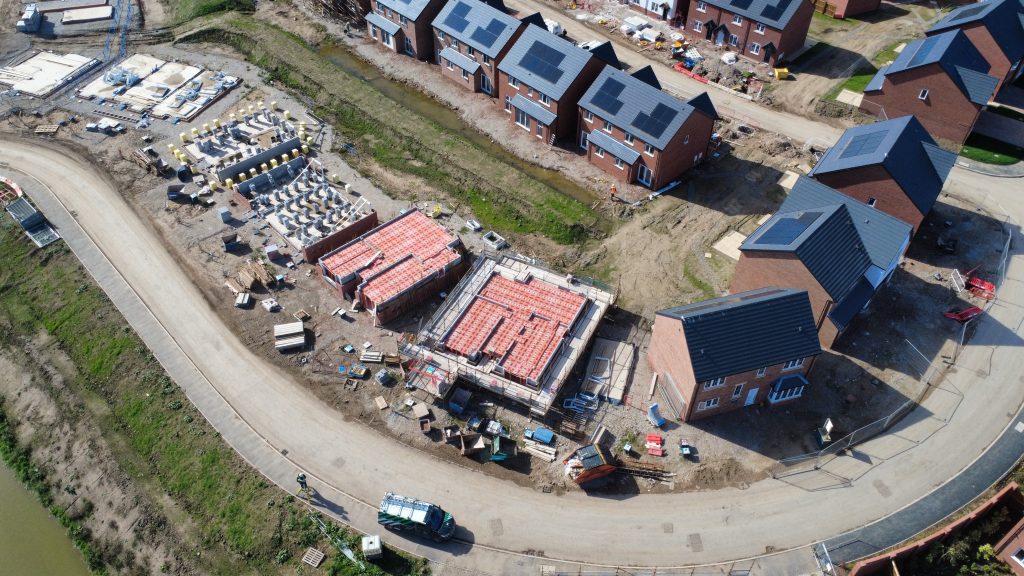
Solar PV has become increasingly common on new-build developments as housebuilders work towards improving the energy performance of new homes.
However, solar installations can vary considerably between developments. They can even vary between houses on the same development.
One property may have several panels across a well positioned roof. Another might have a smaller array installed on one section of the property. Roof orientation, available space, shading and the original energy design of the building can all influence the system installed.
Therefore, moving into a home that already has solar does not necessarily tell you how much electricity the system can generate or how well it matches your household usage.
This is where looking at the system as a whole becomes important.
Can I Add Battery Storage for New Build Solar?
In many cases, yes.
If your new build already has solar PV, it may be possible to add battery storage without replacing the entire existing solar installation.
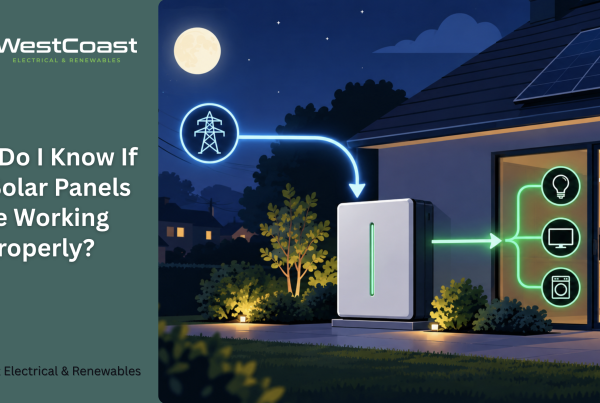
A battery can store suitable surplus electricity generated by your solar panels instead of that electricity being exported immediately to the grid. You can then use the stored electricity later when your home needs it.
For example, solar generation may be strongest during the daytime while you are at work. Meanwhile, your electricity consumption might increase when everyone returns home in the evening. Battery storage can help move some of that available solar energy from one part of the day to another.
However, the exact setup depends on your existing solar equipment and electrical installation. That is why we assess the system before recommending a battery.
What Is a Battery Only Installation?
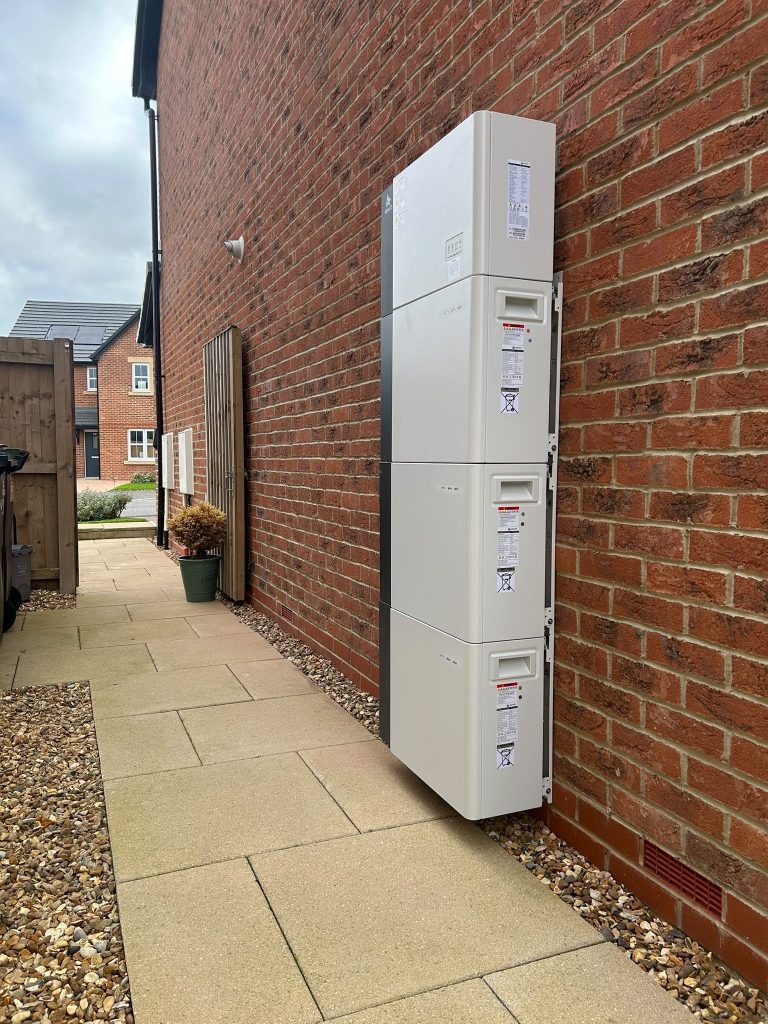
A battery only installation is exactly what it sounds like. We add battery storage to a property that already has an existing energy system rather than installing a completely new solar PV system at the same time.
We carry out this type of work regularly on new build homes.
It can be particularly useful for homeowners who have moved into a property where the developer has already installed solar panels but no battery storage.
Depending on the existing equipment, different technical solutions may be available. Consequently, we need to establish what solar panels and inverter are already installed, how the system operates and what the homeowner wants to achieve.
The aim is not simply to fit the largest battery possible. Instead, we want the battery capacity and system design to make sense for the property and its electricity consumption.
Does My New Build Have Enough Solar Panels?
This is another question we are increasingly asked.
The answer depends entirely on the property.
Some new builds already have a good amount of solar PV installed and make effective use of the available roof space. In this situation, adding battery storage may be the main upgrade worth considering.
However, we also visit new build properties where only part of a suitable roof has been used.
In those cases, there may be an opportunity to increase the size of the solar array. That does not mean adding panels is automatically the right choice, though.
Before recommending additional solar panels, several factors need to be considered.
These include:
- The direction and orientation of the roof
- Available usable roof space
- Shading from surrounding buildings, trees or roof features
- The output and specification of the existing panels
- The existing inverter and system design
- The household’s electricity consumption
- Current and expected future electricity requirements
- Whether battery storage is already installed or planned
For example, a large section of empty roof may appear ideal for additional panels. However, if it experiences significant shading or has an unsuitable orientation, the expected generation needs to be considered carefully.
That is why proper system design matters.
Could I Add More Solar Panels at the Same Time?
Potentially.
If we assess your existing solar PV system and identify suitable additional roof space, we can look at whether increasing your solar capacity would be worthwhile.
For some homeowners, the existing solar installation already meets their requirements. In that case, there may be little reason to change it.
For others, additional panels combined with battery storage could allow them to generate and retain more of their own electricity.
Again, this comes down to the individual property.
Rather than assuming that more panels are always better, we consider the likely generation, household demand and how the electricity will actually be used.
Future plans can also matter. For example, a household considering an EV charger or an air source heat pump may expect its electricity consumption to change. Therefore, discussing those plans when designing an energy system can be useful.
What Happens to Solar Electricity Without a Battery?
Solar panels generate electricity whenever suitable daylight conditions allow them to do so.
Your home can use that electricity while it is being generated. If generation exceeds what the property is using at that moment, the surplus can be exported to the grid.
Eligible households may receive payment for exported electricity through an export tariff such as the Smart Export Guarantee, depending on their energy supplier and tariff.
Adding a battery gives you another option.
Instead of exporting all available surplus generation straight away, suitable excess electricity can charge the battery. The stored energy can then be used later.
However, exporting solar electricity is not necessarily a bad thing. Some export tariffs can be attractive, so the most economical way to operate a battery will depend on your import tariff, export tariff, electricity usage and generation.
A well designed system should give you flexibility rather than forcing all of your generated electricity down one route.
Battery Storage Can Work Beyond Solar Generation
Modern battery storage is not limited to storing electricity generated by solar panels.
Depending on the battery, tariff and system configuration, homeowners may also be able to charge their battery from the grid during lower cost periods and use that stored electricity later.
For example, some time of use tariffs provide cheaper electricity overnight and higher rates at other times. A compatible battery system can potentially take advantage of these periods.
However, electricity tariffs and prices change regularly. Therefore, homeowners should always check current rates and terms with their chosen energy supplier rather than basing a battery purchase on one particular tariff.
This flexibility can be particularly useful during the winter months when solar generation is naturally lower than during spring and summer.
Which Battery Storage Systems Do We Use?
At West Coast Electrical & Renewables, one of the battery storage brands we regularly install is AlphaESS. We have worked with AlphaESS systems across many of our renewable energy installations and have built up extensive experience with the equipment.
There are several reasons why we continue to use AlphaESS. The systems offer strong technical specifications, flexible storage options and smart monitoring. Just as importantly for us as an installer, we have found the support available to be excellent. Having access to knowledgeable technical support is important both during installation and throughout the life of a system.
AlphaESS also provides dedicated UK support, while installers can access systems remotely through the AlphaESS platform to help diagnose and resolve many configuration issues. This gives us another way to support customers after their installation has been completed.
Why Do We Rate AlphaESS Battery Storage?
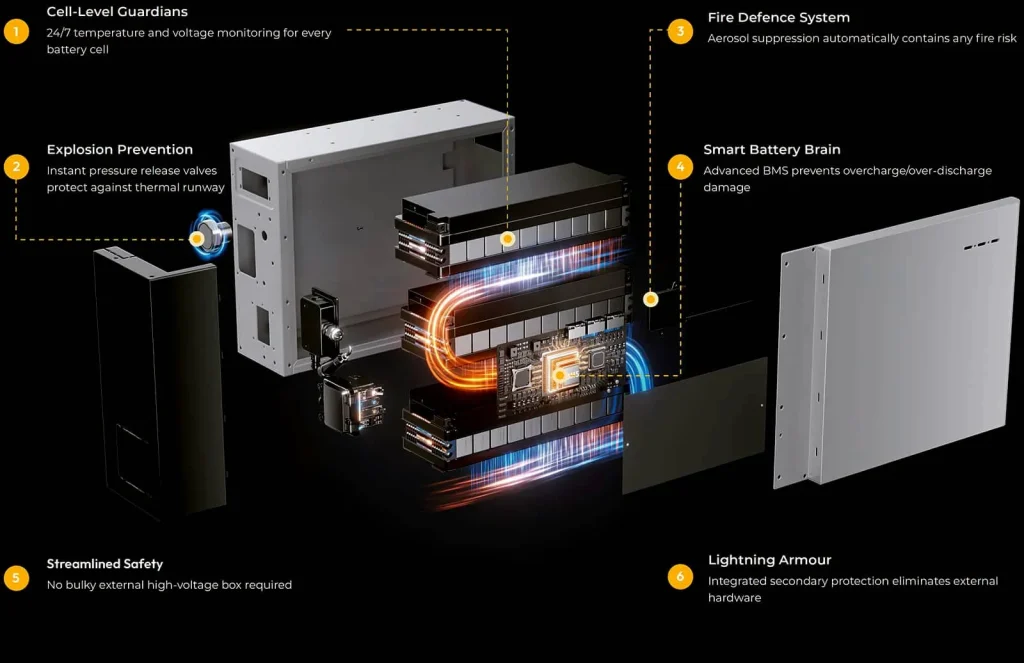
The technology behind the AlphaESS SMILE G3 range is another reason we use it regularly.
The batteries use lithium iron phosphate, also known as LFP or LiFePO4, battery chemistry. The SMILE G3 range also offers a 95% depth of discharge, allowing a high proportion of the battery’s capacity to be used.
Depending on the model and configuration, AlphaESS systems can also be expanded with additional battery capacity. This flexibility can be useful because the right amount of storage varies considerably from one household to another.
The current AlphaESS SMILE G3 technical literature also states a 10,000 cycle life under specified test conditions. AlphaESS explains that a cycle represents a complete charge and discharge of the battery. In reality, a household will not necessarily complete one full battery cycle every day.
The SMILE G3 range also includes options with 5kW nominal output, while compatible battery configurations can provide substantial storage capacity for homes with higher energy requirements. The system uses Ethernet and WiFi communication, which supports smart monitoring of the home’s energy system.
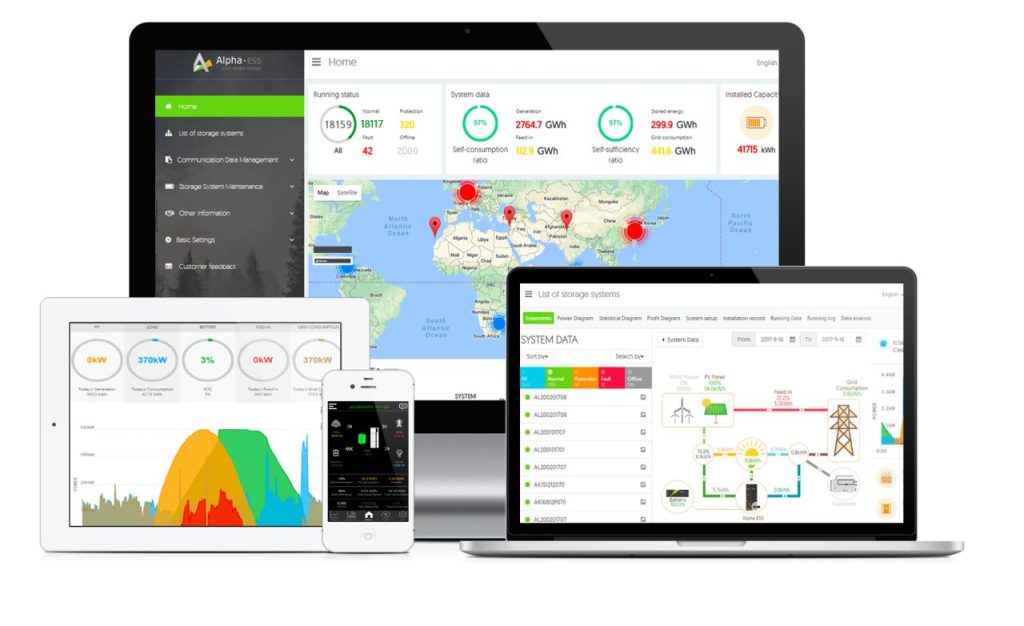
For homeowners, this means you can monitor how the system is operating rather than simply having a battery installed in the background. You can see how energy moves around the property, including battery charging and discharging.
A Battery System We Know Well
For us, choosing a battery is not simply about looking for the biggest capacity or the longest list of specifications.
We want to install equipment that we know, understand and can confidently support after installation.
That is particularly important with battery only installations on new builds. We may be integrating new equipment with a solar PV system that another company installed during construction. Therefore, experience with system design, configuration and commissioning matters.
AlphaESS gives us a flexible option for many of these installations. The combination of LFP battery technology, high usable capacity, expandable storage options, smart monitoring and strong technical support makes it a battery system we are happy to recommend when it is suitable for the property.
However, we still design each installation individually. We will look at the solar PV system already installed, household electricity consumption, available space and what the homeowner wants to achieve before recommending the battery capacity and setup.
Can I See What My Solar Panels and Battery Are Doing?
Monitoring is one of the most useful parts of a modern home energy system.
Depending on the equipment installed, monitoring apps can allow homeowners to see information such as solar generation, household consumption, battery charge levels and electricity imported from or exported to the grid.
This can help you understand when your home uses the most electricity.
For example, you might discover that your solar panels produce a large amount of electricity while the house is relatively quiet during the day. Alternatively, you may find that most of the generated electricity is already being used directly.
Understanding these patterns can help you make more informed decisions about how you use your energy system.
Do I Need to Replace the Solar System That Came With My New Build?
Not necessarily.
This is an important point because homeowners sometimes assume that adding battery storage means removing or replacing the solar equipment supplied with their property.
Depending on the existing installation, there may be options for retaining the current solar PV system while adding battery storage.
However, we cannot determine compatibility from the number of panels alone.
We need to consider the inverter, electrical arrangement, system specification and what equipment is already installed. From there, we can explain the available options.
If additional solar panels would also be beneficial, we can assess that separately rather than automatically replacing equipment that is already doing its job.
Battery Storage for New Build Solar in Lancashire
New build homes provide an interesting opportunity for renewable energy upgrades.
You may already have solar PV included with the property, which means part of the infrastructure is already there. The next question is whether your existing setup matches the way your household actually uses electricity.
For some homes, a battery only installation could be the logical next step. For others, there may also be an opportunity to make greater use of suitable roof space with additional solar PV.
West Coast Electrical & Renewables installs solar PV and battery storage across Blackpool, Poulton le Fylde, Thornton Cleveleys, Lytham St Annes, Preston and surrounding areas of Lancashire.
We can assess your existing new build solar installation, look at your current energy requirements and discuss what you would like from the system.
Most importantly, we will look at the property as a complete system rather than assuming that every new build needs the same solution.

Thinking About Adding a Battery to Your New Build?
If your new build already has solar panels and you are considering battery storage, we can take a look at what is currently installed and advise you on the available options.
Whether you need a battery only installation or want to explore whether additional solar panels could make better use of your available roof space, we can design the system around your property and energy requirements.