You may have seen the MCS logo on a solar installer’s website or heard the term when researching renewable energy. However, what does MCS certification actually mean? More importantly, why should you check whether your installer is MCS certified before going ahead?
MCS plays an important role in the UK renewable energy industry. It sets standards for small scale renewable technologies and the companies that install them. Therefore, choosing an MCS certified installer gives you additional assurance that recognised technical and quality standards apply to your installation.
At West Coast Electrical & Renewables, we hold MCS certification for the renewable technologies we install. For us, it is much more than a logo on our website. The standards influence how we design, install, commission and document renewable energy systems for our customers.
What Is MCS Certification?
MCS stands for the Microgeneration Certification Scheme.
MCS describes itself as the UK’s quality mark for small scale renewable energy technologies. These include solar PV, heat pumps and battery storage.
The scheme sets and maintains standards for both renewable energy products and installations. In addition, installers must demonstrate that they meet the relevant requirements for the technologies they are certified to install.
Therefore, MCS certification is not the same as a company simply saying it has experience with renewable energy.
An MCS certified installer operates within a recognised framework of technical and quality standards.

Why Is MCS Certification Important?
Renewable energy systems can represent a significant investment in your property. Therefore, choosing the company that designs and installs your system deserves careful consideration.
Solar panels, batteries and air source heat pumps are also technical systems. Their performance depends on correct design as well as the quality of the equipment.
For example, a solar installation requires much more than fitting panels to a roof. The installer needs to consider roof suitability, shading, electrical design, system sizing and grid connection requirements.
Likewise, an air source heat pump must be designed around the heating requirements of the property. Correct heat loss calculations and system design are important parts of this process.
MCS standards provide a recognised benchmark for this work. As a result, customers can check whether a company holds the appropriate certification before choosing an installer.
MCS Certification and Solar Panels
MCS certification is particularly important when choosing a solar PV installer.
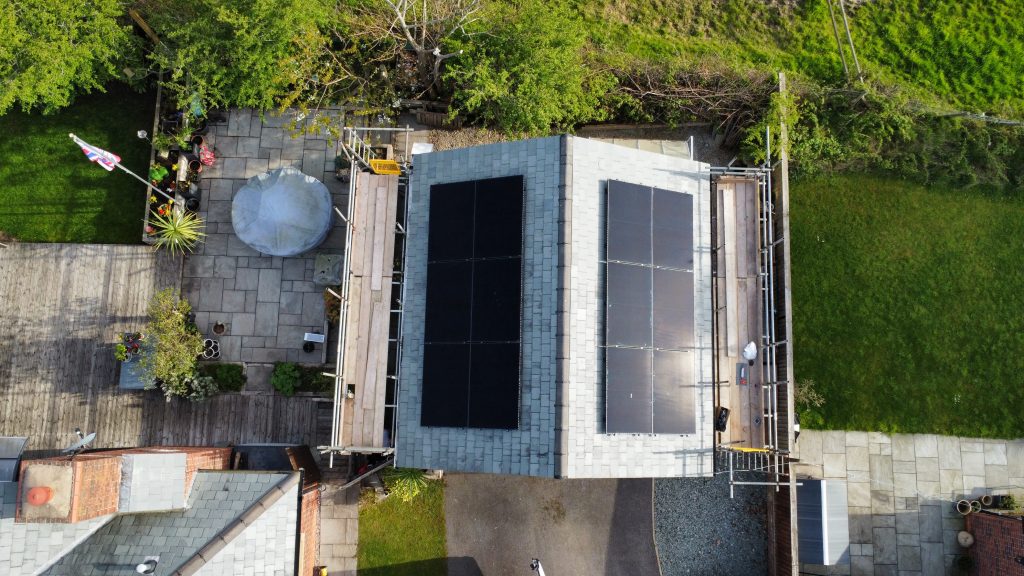
Before installation, we assess the property and design the solar system around several factors. These include the available roof space, orientation, shading and electricity usage.
We also consider the electrical side of the installation. For example, the proposed system may require a G98 or G99 connection process with the Distribution Network Operator.
Once the installation is complete, an eligible MCS installation can be registered and an MCS certificate produced.
That certificate provides a record that the installation has been completed by an appropriately certified contractor under the MCS scheme.
Do You Need MCS for the Smart Export Guarantee?
MCS can also become important if you want to receive payments for electricity exported from your solar panels.
The Smart Export Guarantee, often shortened to SEG, allows eligible small scale generators to receive payment for metered electricity exported to the grid.
Energy suppliers set their own SEG tariffs and eligibility requirements. Therefore, the exact conditions can vary between suppliers.
However, suppliers normally require evidence that the renewable installation meets recognised standards. An MCS certificate is widely used for this purpose.
Consequently, choosing an MCS certified solar installer from the beginning can be important if you plan to apply for an export tariff later.
MCS Certification and Battery Storage
Battery storage has become an increasingly important part of home energy systems.
A battery can store electricity for use at another time. Depending on the system and tariff, it may also allow customers to charge their battery from the grid during selected periods.
However, battery systems require careful design.
The installer must consider battery capacity, inverter compatibility, electrical protection, location and how the battery will operate alongside solar PV.
At West Coast Electrical & Renewables, we install battery storage as part of complete renewable energy systems as well as battery additions to suitable existing solar installations.
We work with established manufacturers, including AlphaESS, Enphase and Tesla. However, we always look at the individual property before recommending equipment.
The right battery for one household may not be the right choice for another.

MCS Certification and Air Source Heat Pumps
MCS also plays an important role in heat pump installations.
Air source heat pumps work differently from traditional gas boilers. Therefore, correct system design is particularly important.
Before recommending an air source heat pump, the property needs a detailed assessment. Heat loss calculations help determine the heating requirement of the home. In addition, the installer must consider factors such as radiators, hot water demand and the proposed heat pump size.
MCS provides standards covering the design and installation process.
This is important because simply fitting a larger heat pump does not automatically produce a better heating system. Instead, the system needs to suit the property.
West Coast Electrical & Renewables is MCS certified for air source heat pump installations as well as our other certified renewable technologies.
MCS and the Boiler Upgrade Scheme
MCS certification is also important for customers considering the Boiler Upgrade Scheme.
The Boiler Upgrade Scheme provides grants towards eligible low carbon heating systems in England and Wales. Under the current scheme rules, installers applying for the grant must hold MCS certification for the relevant technology.
They must also belong to an approved consumer code.
Therefore, if you are considering an air source heat pump through the Boiler Upgrade Scheme, checking your installer’s credentials should be one of your first steps.
Eligibility rules can change. As a result, customers should always check the current scheme requirements before making a decision.
Does MCS Provide Consumer Protection?
MCS is also connected to wider consumer protection requirements.
MCS certified installation companies working with domestic customers must belong to an approved Consumer Code.
West Coast Electrical & Renewables is a member of the Renewable Energy Consumer Code, known as RECC.
These requirements provide an additional framework around areas such as contracts, information provided to customers and how complaints are handled.
Ofgem also advises consumers to contact MCS about certain technical or standards related concerns involving an MCS installation.
Therefore, using an MCS certified installer gives customers access to a more structured framework than choosing an installer operating outside the scheme.
How Can I Check If an Installer Is MCS Certified?
You should never feel uncomfortable asking a renewable energy company about its accreditations.
In fact, we recommend checking them.
MCS maintains an online directory where consumers can search for certified contractors. This allows you to confirm that a company is certified and check the technologies covered by its certification.
It is worth checking the company itself rather than relying only on a logo displayed on a website or quotation.
You can also ask your installer about other relevant memberships and accreditations.
For example, West Coast Electrical & Renewables is MCS certified and a RECC member. We are also NICEIC registered and TrustMark registered.
Together, these accreditations support different areas of the work we carry out.

Does MCS Certification Guarantee How Much I Will Save?
No. This is an important distinction.
MCS certification provides standards for renewable energy products, design and installation. However, it does not mean every household will achieve the same financial savings.
Solar generation varies according to the system size, orientation, shading and location. Meanwhile, household electricity usage also affects how much generated energy you use yourself.
Battery performance depends on factors such as capacity, charging strategy and energy usage. Similarly, heat pump running costs depend on the property, system design, energy prices and how the heating system is used.
For that reason, we avoid making blanket claims about savings.
Instead, we assess each property individually and provide information based on the proposed system.
Why Choosing the Right Renewable Installer Matters
Price will naturally form part of your decision when comparing renewable energy quotes. However, it should not be the only factor.
You are also choosing the company responsible for designing the system, installing it and providing the required documentation.
Therefore, check exactly what is included.
Ask about MCS certification. Check the equipment being proposed. Look at the company’s reviews and previous installations. In addition, ask what happens if you need technical support after the installation.
A renewable energy system should be designed around your property rather than selected from a standard package.
MCS Certified Renewable Installers in Blackpool
West Coast Electrical & Renewables provides renewable energy installations across Blackpool, Poulton le Fylde, Thornton Cleveleys, Lytham St Annes and surrounding areas of Lancashire.
Our renewable services include solar PV, battery storage, EV charging and air source heat pumps.
As an MCS certified installer, we follow the relevant standards for our certified renewable installations. However, we also believe the customer experience matters from the first survey through to the final handover.
That means taking time to understand the property, explaining the proposed system and answering questions before work begins.
After installation, we also want customers to understand how their new system works rather than simply handing over the equipment and leaving.

Choosing an MCS Certified Installer
So, what is MCS certification?
Put simply, MCS is a recognised UK quality mark for small scale renewable energy technologies and their installation. It sets technical and quality standards while also forming an important part of the wider consumer protection framework.
It can also matter after the installation. For example, an MCS certificate may be important when applying for an eligible solar export tariff. MCS certification is also a requirement for installers working through schemes such as the Boiler Upgrade Scheme.
Therefore, when comparing renewable energy companies, check whether the installer is MCS certified for the technology you are considering.
West Coast Electrical & Renewables can help with solar PV, battery storage and air source heat pump installations across Blackpool and Lancashire. We can assess your property, discuss the available options and explain the process before you make a decision.