As electric vehicles become more common, many homeowners are considering installing a home EV charger. However, one of the most common questions that comes up early on is whether an existing fuse box can support it. In many cases, the answer depends on the age and condition of your electrical system.
While some homes are already suitable, others may need upgrades to ensure safe and reliable charging. Understanding how your fuse box fits into the process helps avoid delays and unexpected issues later on.
Why the Fuse Box Matters for EV Charging
An EV charger places a continuous electrical load on your home. Unlike kettles or ovens, which run for short periods, EV chargers often operate for several hours at a time. Because of this, your fuse box needs to safely manage the extra demand alongside everything else in your home.
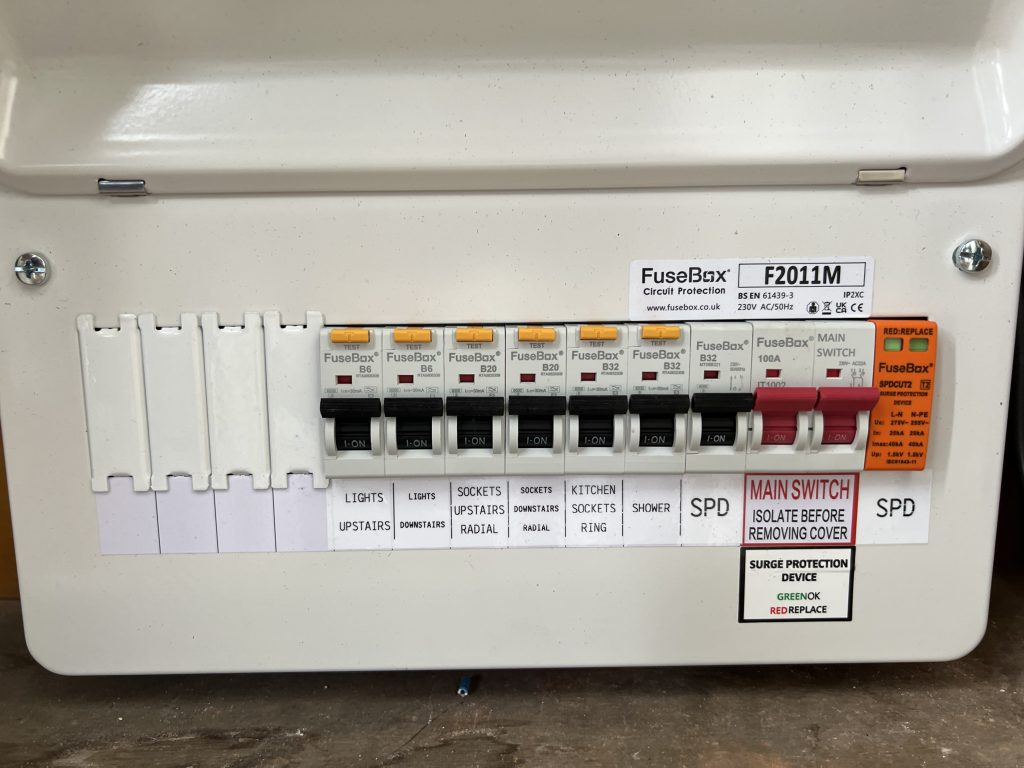
Older fuse boxes predate EV charging and do not account for the demands it places on a property. As a result, they may lack the safety protection required by current regulations. In contrast, modern consumer units include advanced protection that allows EV chargers to operate safely.
Signs Your Fuse Box May Need an Upgrade
Although not every home requires an upgrade, certain signs suggest that one may be necessary. These include:
• A fuse box with rewireable fuses
• No RCD or RCBO protection
• Limited spare capacity for new circuits
• Frequent tripping when appliances are in use
• A fuse box that has not been updated for many years
If any of these apply, you may need to upgrade your fuse box before installing an EV charger. This early helps prevent delays and ensures compliance with current wiring regulations.
Modern Safety Requirements for EV Chargers
EV chargers must meet strict safety standards. These standards protect both the property and the user. Modern chargers often include features such as PEN fault protection and load management, but the fuse box still plays a critical role.
A modern consumer unit allows the charger to connect to a dedicated circuit with the correct protection in place. This setup isolates faults quickly and safely, which reduces the risk of damage or disruption elsewhere in the home.
Electrical Capacity and Load Management
In addition to safety protection, electrical capacity also matters. Some homes already have enough spare capacity to support an EV charger. However, others may benefit from load management.
Load management systems monitor how much electricity your home is using. When demand increases, the charger automatically adjusts its output. This prevents overloads while allowing the charger to operate safely.
Because of this, upgrading a fuse box does not always mean increasing supply. Instead, it often means managing existing capacity more effectively.
When a Fuse Box Upgrade Is Not Needed
It’s important to note that not every EV charger installation requires a fuse box upgrade. Many modern homes already have consumer units that meet current standards. If there is sufficient space for a new circuit and the correct protection is already in place, installation can often go ahead without changes.
This is why a professional assessment is essential. Rather than assuming an upgrade is required, checking the system properly ensures the right decision is made for your property.
Futureproofing Your Home
Even if an upgrade is not strictly required today, some homeowners choose to upgrade their fuse box to futureproof their home. EV chargers are often just the first step. Solar panels, battery storage, heat pumps, and additional electrical upgrades may follow.
A modern consumer unit provides flexibility for future installations. As a result, homeowners avoid repeat work and ensure their electrical system keeps pace with changing technology.
Domestic and Commercial Considerations
Fuse box requirements apply to both domestic and commercial properties. While homes often focus on single chargers, commercial settings may involve multiple chargers or higher electrical demand.
In these cases, planning becomes even more important. Ensuring the fuse board and wider electrical system are suitable allows installations to run smoothly and safely.
Why a Professional Check Is Important
Although online advice can be helpful, every property is different. A professional check confirms:
• The condition of the fuse box
• Available capacity for an EV charger
• Compliance with current regulations
• Whether upgrades are needed now or later
By identifying this early, the installation process becomes straightforward and stress free.
Why Choose West Coast Electrical & Renewables?
At West Coast Electrical & Renewables, we install EV chargers across Blackpool, Poulton-le-Fylde, Thornton-Cleveleys, Lytham St Annes, Preston, and surrounding areas. Our team handles both electrical upgrades and EV charger installations, which means everything is managed in one place.
We are NICEIC Domestic Installers, TrustMark registered, and experienced in EV, solar, battery, and wider electrical systems. In addition, we offer ongoing support, including WhatsApp remote troubleshooting, if any issues arise after installation.
Because we understand both traditional electrics and renewable technology, we ensure your system is safe, compliant, and ready for the future.

So, Do You Need to Upgrade?
In many cases, a fuse box upgrade is not automatically required. However, checking properly ensures safety and avoids problems later on. Whether you already own an EV or are planning ahead, understanding your electrical setup is the right place to start.
With the correct preparation, installing an EV charger becomes a straightforward and reliable upgrade for your home or business.