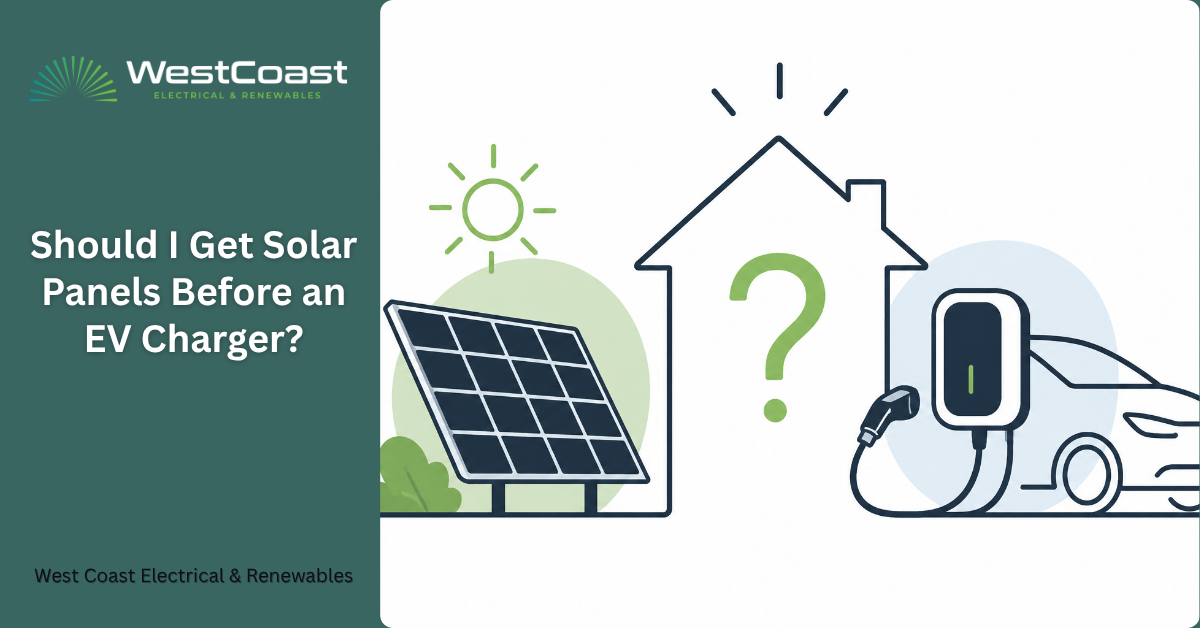
As more homeowners switch to electric vehicles, many are asking the same question: should I get solar panels before an EV charger?
The answer depends on your goals, budget and how you plan to use your vehicle. Both technologies can help reduce your reliance on traditional energy sources, but they serve different purposes.
If you’re considering making your home more energy efficient, understanding the benefits of each option can help you decide which should come first.
What Does an EV Charger Do?
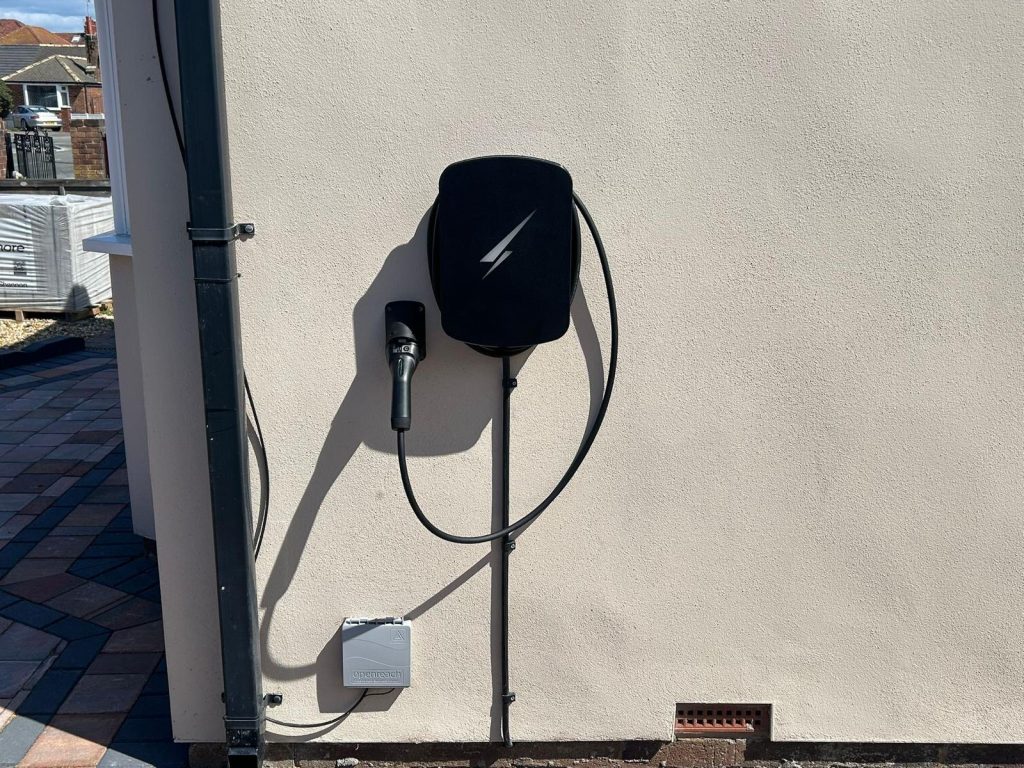
An EV charger allows you to charge your electric vehicle safely and efficiently at home.
Most homeowners choose a smart charger, which can take advantage of off peak electricity tariffs and allow charging to be scheduled overnight when electricity rates are often lower.
Having an EV charger installed means you no longer need to rely on public charging infrastructure for most of your driving.
Many modern chargers also provide app control, charging schedules and energy monitoring.
What Do Solar Panels Do?
Solar panels generate electricity from daylight and allow your home to use that energy before importing electricity from the grid.
During the day, solar panels can help support household electricity usage and, if paired with battery storage, excess energy can be stored for later use.
Solar panels benefit your entire property rather than just your vehicle.
They can help support appliances, lighting, heating systems, home offices and many other electrical loads throughout the day.
If You Already Own an Electric Vehicle
If you already have an EV parked on your drive, installing an EV charger is often the most logical first step.
Without a dedicated charger, charging can be slower and less convenient.
A home EV charger allows you to take advantage of cheaper overnight tariffs and makes owning an electric vehicle much easier.
For many homeowners, the charger delivers immediate benefits because it is used every day.
Looking at an EV Charger?
We install a range of smart EV chargers including Hypervolt, Easee and Simpson & Partners, helping homeowners charge safely and conveniently at home.
If You’re Planning Long Term Energy Savings
If your main goal is reducing your home’s electricity consumption, solar panels may be the better starting point.
Unlike an EV charger, solar panels generate electricity that can be used throughout your property.
This means the benefits are not limited to vehicle charging.
Many homeowners begin with solar panels and later add an EV charger when they change vehicles.
Others choose to install both at the same time to create a complete renewable energy solution.
Can Solar Panels Charge an EV?
Yes, Solar panels can help charge an electric vehicle.
However, it is important to understand that the amount of solar energy available depends on the time of day, weather conditions and season.
Many EV owners choose a combination of solar generation and smart overnight charging.
In some cases, charging overnight on a low cost tariff can be more practical than relying entirely on daytime solar generation.
This gives homeowners flexibility and allows them to make the most of both technologies.
Which Option Provides the Biggest Return?
There is no single answer because every household uses energy differently.
If you drive significant mileage each week, an EV charger may provide the biggest immediate benefit.
If your household has high daytime electricity usage, solar panels may help reduce your reliance on imported electricity throughout the year.
A professional survey helps determine which option will deliver the greatest benefit for your home.
What About Battery Storage?
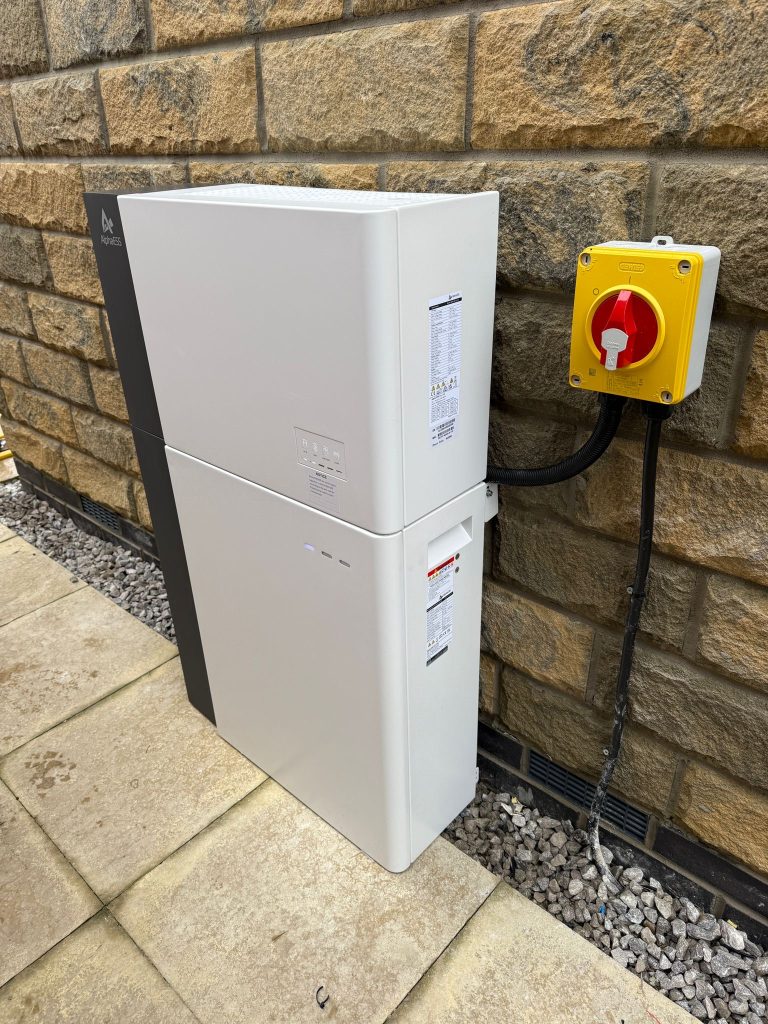
Battery storage can add another layer of flexibility.
A battery stores surplus electricity during the day and allows you to use it later.
Some homeowners choose to install solar panels first, then add battery storage, followed by an EV charger.
Others install all three together as part of a complete renewable energy system.
The right solution depends on your property, energy usage and future plans.
Future Proofing Your Home
One advantage of working with an experienced renewable energy installer is that systems can be designed with future expansion in mind.
For example, if you install solar panels today, your system can often be designed to accommodate battery storage or an EV charger later.
Likewise, if you install an EV charger first, future renewable upgrades can still be considered during the design process.
This helps avoid unnecessary alterations and can make future upgrades simpler.
So, Should I Get Solar Panels Before an EV Charger?
If you already own an electric vehicle, an EV charger is often the best place to start because it provides immediate convenience and allows access to smart charging tariffs.
However, if your priority is reducing your home’s electricity consumption and generating renewable energy, solar panels may be the better first investment.
For many homeowners, the ideal solution is eventually having both.
Solar panels can help support your home’s energy needs, while an EV charger provides a safe and convenient way to charge your vehicle.
The best option will always depend on your property, your energy usage and your future plans.
Ready to Explore Your Options?
Whether you’re considering solar panels, battery storage, an EV charger or a complete renewable energy system, a tailored survey can help you understand which solution is right for your home.