If you’re considering buying an electric vehicle, one of the first questions you’ll probably ask is how long does it take to charge an electric car at home? The answer depends on several factors, including the size of your vehicle’s battery, the type of charger you use and how much charge the battery already has.
The good news is that home charging is convenient, reliable and often the most cost effective way to keep your electric vehicle ready for everyday driving. At West Coast Electrical & Renewables, we install EV chargers across Blackpool, Poulton le Fylde, Thornton Cleveleys, Lytham St Annes and the surrounding areas, helping homeowners choose the right charger for their property and lifestyle.
What affects charging time?
Several factors determine how quickly you can charge an electric car at home.
These include:
- The size of your vehicle’s battery.
- The charging speed your vehicle can accept.
- The power output of your home charger.
- The battery’s current state of charge.
- The charging settings within your vehicle.
As a result, charging times can vary between different makes and models.
Charging with a standard three pin plug
Most electric vehicles can be charged using a standard three pin socket. However, this is the slowest method of charging and is generally intended for occasional use rather than everyday charging.
Depending on the size of the battery, a full charge can often take well over 20 hours.
For this reason, most EV owners choose to install a dedicated home charger instead.
Charging with a 7kW home EV charger
A 7kW home charger is the most common option for UK homes. It provides a much faster charging speed than a standard plug while offering additional safety features and smart charging functions.
As a guide:
| Battery Size | Approximate Charging Time with a 7kW Charger |
|---|---|
| 40kWh | Around 6 hours |
| 60kWh | Around 8 to 9 hours |
| 75kWh | Around 10 to 11 hours |
| 90kWh | Around 12 to 13 hours |
These times are estimates and may vary depending on your vehicle and charging conditions.
Do you need to charge from empty to full?
Not usually.
Most drivers use only a portion of their battery each day. Therefore, rather than waiting until the battery is nearly empty, many people simply plug their vehicle in overnight to replace the energy they have used.
For example, if you’ve driven 30 or 40 miles during the day, your charger may only need a few hours to top the battery back up.
This means your vehicle is ready to go again the following morning.
Is overnight charging the best option?
For many households, yes.
Many energy suppliers now offer smart tariffs with lower electricity prices during off peak hours. Charging overnight can therefore reduce the overall cost of running an electric vehicle.
Several of the chargers we install also allow you to schedule charging automatically through a smartphone app, so your vehicle begins charging at the times you choose.
Which EV chargers do we install?
At West Coast Electrical & Renewables, we install a range of high quality home EV chargers to suit different properties and budgets.
These include:
- Hypervolt.
- Easee.
- Andersen.
- Simpson & Partners.
Each charger offers different features, so the best option depends on your vehicle, your electricity tariff and your personal preferences.
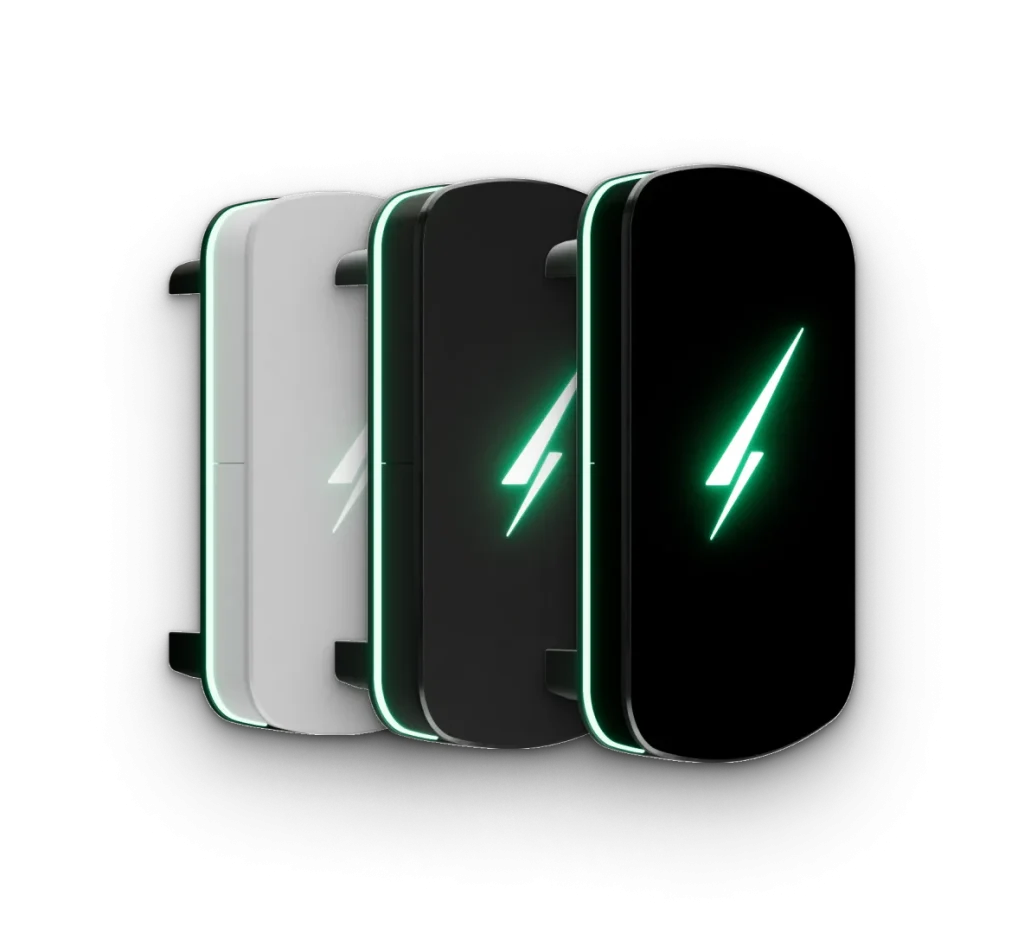
The Hypervolt Home Pro 3 continues to be one of our most popular choices thanks to its excellent app, attractive design and reliable performance. It also works well alongside many smart electricity tariffs.
Can solar panels help with EV charging?
If your property has solar panels, your EV charger can become part of a wider home energy system.
Some smart chargers can prioritise electricity generated by your solar panels when suitable generation is available. Alternatively, many homeowners choose to charge overnight using a lower-cost electricity tariff, depending on their energy usage and tariff rates.
The most suitable approach varies from one household to another, which is why we discuss your requirements before recommending a charger.
Choosing the right charger
When selecting a home EV charger, it is worth thinking beyond charging speed alone.
You may also want to consider:
- Smart app features.
- Cable length.
- Tethered or untethered design.
- Integration with your electricity tariff.
- Future compatibility if you change vehicles.
- Whether you may install solar panels or battery storage in the future.
Choosing the right charger now can help future proof your home.

Professional installation matters
A professionally installed EV charger gives you peace of mind that the installation complies with current electrical regulations and has been designed specifically for your property.
During the installation, your electrician will assess your consumer unit, cable route, earthing arrangement and the best location for the charger. They will also test the installation thoroughly before it is commissioned.
Ready to charge an electric car at home?
Understanding how long it takes to charge an electric car at home helps you choose the right charger and set realistic expectations. For most drivers, a 7kW home charger provides more than enough charging speed for everyday use, especially when charging overnight.
At West Coast Electrical & Renewables, we install quality EV chargers throughout Blackpool, Poulton le Fylde, Thornton Cleveleys, Lytham St Annes and the surrounding areas. Whether you’re buying your first electric vehicle or upgrading an existing charger, our experienced team can help you find the right solution for your home.